Transfer Factor Formula with Marine Phytoplankton:
A Powerful Immune System Support
Transfer factors
are tiny molecules found in colostrum which provide "immune knowledge"
from a mother's immune system to her baby used in recognizing and fighting
outside threats. By transferring information from cell to cell, transfer
factors serve as "teachers" to the new cells, ensuring a strong immune
system capable of surviving, even thriving, in its new environment. There
are over 3,000 published papers and 50 years of research on various forms
and sources of transfer factors. These molecules were first discovered
in the late 40's by Dr. H. Sherwood Lawrence. The micronutrients and electrolytes
in marine phytoplankton
are exactly what human cell membranes need to carry out their metabolism.
Not surprisingly, the composition of human plasma, or fluid surrounding
cell membranes, is similar to that of sea water whose micronutrients affect
every function, structure, and detoxification functions of the human cell.
The
A.I.M Transfer Factor formula contains unique and powerful immune system
support ingredients and antioxidants such as marine phytoplankton, Fucoidan,
oligosaccharides, and much more.
In
1949, Dr. H. Sherwood Lawrence made a revolutionary discovery while studying
tuberculosis. He determined that an immune response could be transferred
from a donor to a recipient by injecting an extract of white blood cells
(leukocytes)
from a previously infected, now healthy, subject into a newly infected
patient. He found that this extract contained a factor capable of transferring
immunity. He named the substance "transfer factors."
Dr. Lawrence's discovery came in the midst of the discovery and use
of antibiotics. Transfer factor has been used throughout the antibiotic
age in different regions of the world such as China, Poland, Italy and
others, but never have been available commercially due to the lack of technology.
In the fifty years since Lawrence's pioneering work, an estimated $40,000,000
has been spent on research resulting in over 3,000 published scientific
papers documenting the benefits of various forms and sources of transfer
factors.
The scientific term "transfer factor" was added to dictionaries in
1956. Merriam-Webster's Collegiate Dictionary defines "transfer
factor" as "a substance that is produced and secreted by a lymphocyte functioning
in cell-mediated immunity and that upon incorporation into a lymphocyte
which has not been sensitized confers on it the same immunological specificity
as the sensitized cell".
What this all means, is that when immune system cells have battled with
specific disease invaders, they produce a substance that transfers a message
of warning on to other immune cells.
The A.I.M Transfer
Factor formula contains unique and powerful immune system support ingredients
and antioxidants such as marine phytoplankton, Fucoidan, oligosaccharides,
and much more. Click
here to view the list.
Dr. Hennen brings
13 years of experience as an academic researcher in drug design and development
as well as 20 years as a consultant and research director in the nutritional
supplement industry. Bill has spoken internationally on nutrition and disease
prevention through dietary supplementation. He has extensive experience
in marketing, development, education and registration and regulatory affairs
both globally and domestically.
Additionally, he has authored
several books as well as more than 30 patents and peer-reviewed papers
in bio-organic, medicinal and nutritional chemistry. Bill received his
Ph.D. in bio-organic chemistry at Utah State University, Logan, Utah. Bill
and his wife, Roberta, have 11 children and 21 grandchildren.
Information about
some of the ingredients in the A.I.M Transfer Factor formula from the Forevergreen
company: (references)
Marine
Phytoplankton: This is the first food on earth. Marine phytoplankton
is a microscopic plant that grows in the ocean and is the basis for the
rest of the food chain. It is a complete whole food that contains 400 times
the energy of any known plant on the planet. It helps feed and detoxify
the cells. It is also a powerful antioxidant. A study by the University
of Utah School of Medicine, states that marine phytoplankton also benefits
the immune system by supporting the T-cells. Marine phytoplankton has been
named "Mother Nature’s Milk" as it supplies everything needed to sustain
life. Many of the worlds largest animals live on marine phytoplankton up
to two hundred years. Learn more about the Profound
Life-Giving Properties of Marine Phytoplankton (an important ingredient
in the A.I.M Transfer
Factor formula)
"Every day we are
faced with threats from our microscopic environment. What you can't see
can hurt you! The uniqueness of transfer factor is that it not only supports,
but also educates our immune system in a way that no other supplement can"
- Dr. William J. Hennen, Ph.D.
Fucoidan:
Fucoidan is a family of fucose-containing oligosaccharides produced by
brown seaweed. Fucoidan has been revered in part because its healing properties
are comparable to human milk. The benefits of fucoidan have been reported
in more than 700 scientific studies worldwide. Fucoidan has been shown
to promote optimal health utilizing a variety of pathways including optimizing
the natural killer cell (NK) function, which is your first line of immune
defense, and promotes a healthy immune response by increasing macrophage
production.
Thymic
Factors: What is immune intelligence? The functions of the immune system
parallel those of the brain. The immune system must recognize changes in
its environment, make judgments regarding how to react to these changes,
and then remember what it has experienced and how it has solved the problem
previously. If the immune system is intelligent, what would be its brain?
The gland that most serves this function is the thymus. The thymus helps
us distinguish self from non-self. It is the place where the T-cells are
matured. The T-cells in turn direct the rest of the immune system response.
The undeveloped thymus of an infant matures and reaches its maximum ability
at the time of puberty. After this time there is a gradual decline in thymic
function. Therefore an aged individual may only have 10% of his or her
maximum thymic function remaining. The addition of Thymic Factors to the
formula helps the immune system retain its "intelligence" function.
Human
Milk Oligosaccharides: One of the most important elements missing from
bovine colostrum is human milk oligosaccharides. Human milk oligosaccharides
comprise a major component of human milk. This fraction contains thousands
of individual components, most of which contain a significant amount of
L-fucose. Each specific oligosaccharide appears designed to inhibit a specific
pathogen. 1, 2 Human milk contains 10 to 100 times more free oligosaccharides
than found in the milk or colostrums of common domestic animals. Only elephants
produce comparable levels of oligosaccharides in their colostrums. 3 These
milk oligosaccharides may be one of nature’s anti-aging mechanisms. But,
if we cannot get it from humans or cows, where can we find it? Again, nature
to the rescue. We find it in the earth’s oceans.
- Growth
Factors derived from colostrum, support multiple regenerative effects.
(references)
- Glutamine
is the most abundant amino acid in the body and is critical for human health.
- Resveratrol
has been shown to have many beneficial anti-aging effects, even at low
doses. 4
- Agaricus
is highly valued for its richness in beta-glucans and has demonstrated
strong immunomodulating properties. 5, 6
-
Alpha Lipoic acid is a natural antioxidant.
- Bioperine® is a standardized
extract from black pepper or Piper longum L. The active component, piperine,
is recognized most for its enhancement of the bioavailability of many nutrients
- Chaga
(Inonotus obliquus L) is one of nature’s oldest medicinal herbs.
- Cordyceps
(Cordyceps sinensis Berk) is another of the medicinal mushrooms that is
growing in recognition for its many health-enhancing benefits including
immunomodulating activity. 7
- Curcumin
is the yellow component of the spice turmeric. Studies show curcumin exhibits
varied immunomodulatory actions; by taking curcumin and piperine at the
same time. 8, 9
-
Indian Bread (Poria Cocos Schw.) is a respected mushroom for which
studies have shown support of effective
recognition and response
to abnormal cell development. 10, 11, 12, 13
- Lactoferrin
(LF) belongs to the family of iron-binding proteins. Twenty five years
of research have shown LF to have a wide spectrum of immune-function enhancing
properties. 14, 15, 16, 17
-
Maitake
(Grifola frondosa Dicks) mushrooms contain grifolan, an important beta-glucan
polysaccharide that has been shown to strengthen immune recognition and
response to potentially harmful microbes. 18
- Pomegranate
Extract is rich with phytonutrients known to provide multiple health benefits.,
Proline-Rich
Polypeptides have been shown to promote T-cell maturation, recruit
suppressor (regulatory) T-cells, prevent allergic inflammation in humans,
and inhibit autoimmune disorders. 19, 20, 21
- Quercetin
is among the most active of the flavonoids. Among other benefits, it demonstrates
potent antioxidant activity. 22
- Shiitake
(Lentinus edodes Berk) contains a polysaccharide compound called lentinan
that has been shown to demonstrate immunomodulatory properties. 23
- Turkey
Tails (Trametes versicolor L.) Studies of the physiological effects
of this mushroom demonstrate that among other things it acts as an immunomodulator
of NK cells and an activator. 24, 25, 26
- Vitamin
D, once thought of primarily as the preventative for rickets and important
for bone health, is now known to influence many fundamental physiological
processes, from maintaining the health of our genes to multiple aspects
of effective immune system function. 27
- Zinc
plays a vital role in more than 300 enzymatic and biological processes,
and is considered a major element in assuring the correct functioning of
an organism from the earliest embryonic stages to the last periods of life.
28, 29
A.I.M. Transfer
Factor is a proprietary, high quality raw materials profile that offers
the intelligence of each cell the opportunity to design its own optimal
health and physical power. A.I.M. Transfer Factor is the purest of nature
enveloped in the latest in science.
Only a mother can begin to understand the power and protection in Transfer
Factor. Ironically, A.I.M. Transfer Factor also features Mother Nature’s
milk, marine phytoplankton, available to man for the first time in history.
This proprietary formula is designed to provide the immunity intelligence
your body needs with the immune function support to recognize, react and
recall potential health threats, without the nonfunctional fillers. Everyone
is looking to optimize immune function, anti-aging, and even their metabolism.
We know the body will perform miracles by the minute when given specific
raw materials. So, forget the absence of disease. Create the presence of
power.
Enjoy A.I.M. Transfer
Factor and dance through stress. Conquer fears and live a life, instead
of survive one. At ForeverGreen, health is a habit, not an event. It is
kindness; it is abundance; it is you first form of wealth. Plug into the
most powerful immune support on the planet, daily with A.I.M. Transfer
Factor!
Dr. Lawrence Wilson - "To strengthen the immune system, one must
address the needs of the whole body. A strong
immune system is essential for health. It is a very complex system
of the body, involving the skin, intestines, nasal mucosa, blood, lymph
and many other organs and tissues. Factors that impair the immune
system include nutrient deficiencies, contaminated air, water and food,
unhealthful lifestyles and too much exposure to harmful microbes.
Other factors that weaken the immune system are negative attitudes and
emotions and the presence of toxic metals, toxic chemicals and biological
toxins in the body. Others are sluggish metabolism, lack of rest
and sleep, excessive stress or too much exercise. As these causative
factors are removed or corrected, the immune system improves."
Dr. Vivienne Matalon,
M.D. - "Transfer factor is in the same class as the most potent vitamins.
When do you need it? You need it all the time. And who needs it? Actually,
everyone. Not only you as an adult, but also your children and pets. And
it's safe. I have not documented one single side effect related to the
use of transfer factor."
Transfer
Factor Question?
or use this contact
form You can also call 323-522-4521 or (323) 389-0560
What are transfer factors
and how do they work? Soon after giving birth, female mammals produce
colostrum, which is a milk-like substance that jump-starts a newborn's
immune system. Researchers now believe that the benefits of colostrum don't
necessarily end there.
Transfer Factor is a set of messaging
molecules that convey immune information within an individual's immune
system. Nature also uses transfer factor to carry immune information from
one individual's immune system to another individual. This in fact is how
it got its name: by being the factor that transferred immunity from one
person to another. Transfer factors
are the primary communications used by the immune system to defend against
harmful microbial threats. Transfer factors are small molecules that occur
naturally in all mammals and are passed from mother to newborn through
the mother's first milk called colostrum. By transferring information from
cell to cell, transfer factors serve as "teachers" to the cells, ensuring
a strong immune system capable of surviving, even thriving, in its new
environment.
How was Transfer Factor discovered?
In
1949 Dr. H. Sherwood Lawrence was working on the problem of tuberculosis.
What he was trying to discover was if any component of the blood could
convey a tubercular sensitivity from an exposed recovered donor to a naive
recipient. Whole blood transfusions could be used but only between people
of the same blood type. Lawrence first separated the blood's immune cells,
the lymphocytes
or white blood cells, from the whole blood. Then he broke open the lymphocytes
and separated the contents of the cells into various size fractions. What
he found was that a fraction of small molecules was able to transfer tuberculin
sensitivity to a naive recipient. This is what Dr. Lawrence called transfer
factor.
Is blood the only source of transfer
factor? Originally it was. It was not until the mid 1980's that
two researchers came up with the idea that Transfer Factor may also be
present in colostrum. The confirmation of this discovery was awarded a
patent in 1989. Colostrum is now the best source of transfer factor.
What is colostrum? It
is the first milk that a mother produces immediately after giving birth.
What
prompted these scientists to look for Transfer Factor in colostrum? Those
who have worked with cattle know that if a calf is not allowed to nurse
from its mother it will most often die within a short time. The calves
would die in spite of an abundance of food. Death in these cases was cause
by infections brought on by the most common organisms. For whatever reason
the immune systems of these calves were not working. Seeing this suggests
that there is some kind of immune information was being transferred from
the mother and her infant. The logical question then became: was it transfer
factor? The answer was a resounding YES!
Transfer factors
are isolated from colostrum, what about milk allergies and lactose intolerance?
Milk
allergies are caused by the large milk proteins, primarily casein, and
to a lesser extent the immunoglobulins. These proteins are completely removed
from the transfer factor. Lactose intolerance is most common in Oriental
populations; much less so in those of European or African decent. We are
conscience of this concern and remove the lactose from our product.
Is Transfer factors only good for
newborns? Transfer Factor is good for everyone who needs an extra
immune boost.
Is transfer factor safe for infants?
Colostral
transfer factor was designed by Nature for newborns. Removal of the milk
allergens and lactose leaves only the essence of the immunological information
in the form of transfer factors.
If
transfer
factors is so effective why hasn't the pharmaceutical
industry jumped on transfer factors?
I
think that is exactly what we are seeing in many foreign countries notably
China, Czechoslovakia, Germany, Hungary, Poland, and Japan. In the US transfer
factor has had an interesting history. The idea of transfer factor flies
in the face of conventional immunology. In the 50’s antibiotics were the
golden child of medicine followed in the 60's by steroids like cortisone
for inflammation and the synthetic steroid hormones like ethinyl estrogen
and progestin that were used to create the birth control pill. After an
initial delay transfer factor hit its heyday in the 70's and early 80's.
Results however were inconsistent as researchers dove in sometimes with
more enthusiasm than skill. The key feature that was missing in these investigations
was a dependable assay technique for quality control of the product. The
quality control issue was not resolved until the mid 1980's.
Given that transfer factor is not a
single entity, the pharmaceutical companies had fits to trying to purify
the material without losing efficacy. This force-fit into the single-entity,
single-function drug dogma was disastrous. The next issue that slowed transfer
factor research is the age-old issue of funding. When AIDS hit the popular
press politicians shifted funding into AIDS research but with the focus
on finding the cause and then finding a drug that would cure AIDS. The
work of a few dedicated, but under-funded, researchers and the inability
of the mainstream medical-pharmaceutical industry have combined to again
focus attention on transfer factor as one of the few modalities that is
effective against diseases of viral origin.
Are there reasons why we haven't
seen transfer factor as a food supplement before now? Yes, there
are two doors that recently have opened that allow transfer factor to be
effectively marketed now. The first door to open was the passage of DSHEA
in 1994. The provision for structure-functions claims allows the story
of transfer factor to be told without jeopardizing its status as a nutritional
supplement. The second is technical. Transfer factor was definitely an
idea way ahead of its time and it had to wait for technology to catch up.
The processing methods that allow for large-scale extraction of transfer
factor have only recently been perfected and a commercial product has only
been available for the past ten year.
How does one discuss transfer
factors in terms of structure-function claims?
Simplistically,
transfer factor strengthens the immune system. But that is simplistic and
could be used to describe a number of herbal products and other supplements.
Let me answer the question by first reiterating that transfer factor is
not just a single entity. Transfer factor is in fact a complex mixture
containing three separate fractions. These three fractions are an INDUCER
fraction, and ANTIGEN SPECIFIC fraction, and a SUPPRESSOR fraction. Since
our immune systems fight the microbe wars for us, let me use a military
analogy to explain these three functions. The inducer fraction serves as
the drill Sargent of basic training whipping the immune system into shape
but not telling them who to go out and attack. The antigen specific fraction
is like a set of wanted posters identifying critical features of the bad
guys. If we were microbes these specific identifiers would be our fingerprints,
mug shots, etc.
Similarly a whole set of transfer factors
are made against a single microbe type. Finally the suppressor fraction
is like the politicians who declare an end to the war and demobilize the
troops. Without this action a lot of excessive damage is done both in war
and within ourselves. When our immune system does not demobilize or overreacts
we suffer from autoimmune diseases such as multiple sclerosis and allergies.
Unlike most immune supplements, that provide the building blocks for proper
immune function, transfer factor is immune intelligence. It is immune information
and education that focuses the immune system keeping it on task and effective.
This is a whole new concept in immune system strengthening.
Is Transfer Factor FDA approved?
Foods
and dietary supplements are not approved by the FDA and food supplements
derived from milk would certainly fall under the category of Generally
Recognized As Safe [GRAS].
What is the difference
between transfer factors and colostrum? Transfer factors are the most
powerful part of colostrum. Colostrum contains bovine specific antibodies
that can cause allergic reactions. However, transfer factors are not species-specific
and can be given to another mammal without reaction.
Transfer
Factor Question?
or use this contact
form You can also call 323-522-4521 or (323) 389-0560
Transfer
Factors are obtained through a proprietary, patented microfiltration process.
The colostrum is collected within the first 24-72 hours of calving after
the calf has received its fill, then passed through the microfiltration
machinery. The collection of transfer factors is from the excess colostrums,
after a portion is given to the calf to protect it. That material is essentially
free of all hormone additives. It is the cleanest time to collect
milk for consumption and in this case, colostrum for providing transfer
factors. The resultant filtrate is then pasteurized a second time and spray-dried
into a fine powder. The powder then undergoes microbial testing for safety
and a biological assay to ensure consistency and potency.
Both
chickens and cows live mainly outside, where they eat off the ground, drink
from shared water sources, endure varying weather conditions and contend
with the challenges of communal living. This leaves them exposed to a variety
of germs, bacteria and viruses, which their immune systems must battle
and then remember in order for them to stay healthy. It's the heroic nature
of their immune systems, needed for survival that makes them ideal donors
for transfer factors. Because transfer factors can be shared safely and
effectively from human to human, chicken to human or cow to human, either
source alone offers excellent immune support. Combined, they offer the
broadest and deepest range of immune support available.
The following points illustrate
the quality that goes into the sourcing of our transfer factors.
1.
All of the dairy herds that produce colostrum for processing are from USDA
Grade A dairy farms. As such the farm and milk must meet the standards
of state and federal milk quality ordinances, including the Pasteurized
Milk Ordinance (PMO). These state and federally inspected farms produce
milk for the Grade A Fluid Milk Market. Milk from these farms is sold in
the marketplace.
2. It
is unlawful to use antibiotics in lactating dairy cattle that will give
rise to measureable levels of antimicrobial drugs. All tanker truckloads
of milk are tested in all processing plants for such residues. Contaminated
milk cannot be used for fluid or processing milk purposes. The financial
penalties are severe and dairy producers have redundant management schemes
in place to assure that residues do not occur. USDA and FDA statutes prohibit
use of antibiotics as a feed supplement in lactating dairy cattle.
3. Our
inquiry revealed that the dairy farms that produce raw colostrum for processing
do not use hormones intended to increase milk production, including rBST.
4. All
colostrum is pasteurized in a proprietary process to assure its microbial
safety and quality. Moreover, the ultra-filtration process will remove
all known microorganisms. Once dried the powder is tested for viable microbes.
5. The
agent associated with "Mad Cow Disease" (Bovine Spongiform Encephalopathy,
(BSE)) has NOT been identified in the United States dairy herd. Additionally,
there is no evidence of milk borne transmission in the English experience
with BSE and the 36 Crutzfeldt-Jakobs Disease (CJD) patients.
6. All
other ingredients in the transfer factors product line are "Food Grade"
as defined by the US FDA Center for Food Safety and Applied Nutrition and
meet the US FDA GRAS (Generally Regarded As Safe) definition
The protocol for the herds
is that the farmers do not give their cows any substances (including growth
hormones), which have been known to be harmful to human beings. Cows live
mainly outside, where they eat off the ground, drink from shared water
sources, endure varying weather conditions and contend with the challenges
of communal living. This leaves them exposed to a variety of germs, bacteria
and viruses, which their immune systems must battle and then remember in
order for them to stay healthy. It's the heroic nature of their immune
systems, needed for survival that makes them ideal donors for transfer
factors.
The herds are not placed
near fields where pesticides or herbicides are used. Although it would
be virtually impossible for any substance to make it through our stringent
extraction and manufacturing process, this policy has been developed to
address any concerns that our customers may have. There can be no antibiotics
in the colostrum. If a cow is sick and has to have antibiotics, the cow
is removed from the line until no antibiotics are found in its system.
Any cow that shows any signs of illness is thoroughly checked out to eliminate
any chance of mad cow disease or other serious conditions. Every batch
is tested for contamination.
While no antibiotics can
be present in the cow’s colostrum, it is advantageous to the consumer of
transfer factors that a cow, at some time in its life, has consumed antibiotics.
Some of the greatest threats to the human race are the antibiotic-resistant
strains of bacteria, which are now killing thousands of Americans. If the
cow has been administered antibiotics and has come into contact with such
pathogens, then the transfer factor could possibly communicate the memory
of these mutated germs to our transfer factor. Remember, the purpose of
transfer factor is to communicate immunity against pathogens the cow has
been in contact with. This could be of major value to the consumer because
transfer factors can be shared safely and effectively from human to human,
chicken to human or cow to human, either source alone offers excellent
immune support. Combined, they offer the broadest and deepest range of
immune support available. The herds are scattered throughout the country
so that we can gather transfer factor that has been exposed to a great
variety of germs. Our quality control management keeps very close supervision
over the herds.
Another concern in the general
public is mad cow disease. Forevergreen has a very specific strategy to
avoid mad cow disease. The key to avoiding mad cow disease or any other
disease is to monitor the cows very carefully, avoid practices that expose
the cows to the disease, and to test every batch of product as it is being
processed. Our farmers are only from the United States. The cows are not,
and never have been, fed any meat-containing products. One of our tests
is performed on live mice. It would be very difficult for anything like
mad cow disease to slip through our safety net. The supplement industry
has much more stringent controls in place than does the food industry.
Regularly E. coli and salmonella slip into our nation’s food supply. The
real danger is with the food industry, not the nutrition industry, especially
with a top-of-the-line manufacturer such as Forevergreen..
Although Forevergreen is
committed to being vigilant, there is evidence that BSE is not transmitted
through milk type products. At a World Health Organization (WHO) Consultation
organized in Geneva on April 2-3, 1996, a group of international experts
reviewed the public health issues related to bovine spongiform encephalopathy
(BSE) and the emergence of a new variant of Creutzfeldt-Jakob Disease (V-CJD).
These scientists made the following statement: "Tests on milk from BSE-infected
animals have not shown any BSE infectivity, and there is evidence from
other animal and human spongiform encephalopathies to suggest that milk
will not transmit these diseases. Milk and milk products, even in countries
with high incidence of BSE, are therefore considered safe."
Transfer
Factor Question?
or use this contact
form You can also call 323-522-4521 or (323) 389-0560
References
1. Neonatal protection by an innate immune system of human milk consisting
of
oligosaccharides and glycans. Newburg DS. J Anim Sci. 2008 Nov 21.
2. Human milk glycans protect infants against enteric pathogens. Newburg
DS,
Ruiz-Palacios GM, Morrow AL. Annu Rev Nutr. 2005;25:37-58.
3. Boehm G, Stahl B. Oligosaccharides. In: Mattila-Sandholm T, editor.
Functional dairy products. Cambridge: Woodhead Publishers; 2003. p.
203–43.
4. A low dose of dietary resveratrol partially mimics caloric restriction
and
retards aging parameters in mice. Barger JL, Kayo T, Vann JM, et al.
PLoS ONE.
2008 Jun 4;3(6):e2264.
5. Immunomodulating Activity of Agaricus brasiliensis KA21 in mice
and in
human volunteers. Liu Y, Fukuwatari Y, Okumura K, et al. Evid Based
Complement
Alternat Med. 2008 Jun;5(2):205-219.
6. Tumor-specific cytocidal and immunopotentiating effects of relatively
low
molecular weight products derived from the basidiomycete, Agaricus
blazei
Murill. Fujimiya Y, Suzuki Y, Katakura R, Ebina T. Anticancer Res.
1999 Jan-
Feb;19(1A):113-8.
7. The scientific rediscovery of an ancient Chinese herbal medicine:
Cordyceps sinensis: part I. Zhu JS, Halpern GM, Jones K. J Altern Complement
Med.
1998 Fall;4(3):289-303. Part II. J Altern Complement Med. 1998 Winter;
4(4):429-57.
8. Immunomodulatory activity of curcumin: suppression of lymphocyte
proliferation, development of cell-mediated cytotoxicity, and cytokine
production
in vitro. Gao X, Kuo J, Jiang H, et al. Biochem Pharmacol. 2004 Jul
1;68(1):51-61.
9. Antidepressant activity of curcumin: involvement of serotonin and
dopamine
system. Kulkarni SK, Bhutani MK, Bishnoi M. Psychopharmacology (Berl).
2008
Dec;201(3):435-42. Epub 2008 Sep 3.
10. Triterpene acids from Poria cocos and their anti-tumor-promoting
effects.
Akihisa T, Nakamura Y, Tokuda H, et al. J Nat Prod. 2007 Jun;70(6):948-53.
11. Growth-inhibitory effects of a beta-glucan from the mycelium of
Poria cocos on human breast carcinoma MCF-7 cells: cell-cycle arrest
and
apoptosis induction. Zhang M, Chiu LC, Cheung PC, Ooi VE. Oncol Rep.
2006
Mar;15(3):637-43.
12. Induction of apoptosis in prostate cancer cells by pachymic acid
from Poria
cocos. Gapter L, Wang Z, Glinski J, Ng KY. Biochem Biophys Res Commun.
2005 Jul
15;332(4):1153-61.
13. Cytotoxic and antioxidant activities of Lanostane-Type Triterpenes
isolated
from Poria cocos. Zhou L, Zhang Y, Gapter LA, et al. Chem Pharm Bull
(Tokyo).
2008 Oct;56(10):1459-62.
14. A structural framework for understanding the multifunctional character
of
lactoferrin. Baker E, Baker H. Biochimie 2009 91 3-10.
15. Immunomodulatory effects of lactoferrin on antigen presenting cells.
Puddu
P, Valenti P, Gessani S. Biochemi 2009 91 11-18.
16. Antimicrobial properties of lactoferrin. Jenssen H, Hancock R.
Biochimie 91
(2009) 19-29.
17. Twentyfive years of research on bovine lactoferrin applications.
Tomita M, Wakabayashi H, Shin K, et al. Biochimie 2009 91 52-57.
18. Inhibition of hepa titis B virus by D-fraction from Grifola frondosa:
synergistic effect of combination with interferon-alpha in HepG2 2.2.15.
Gu CQ,
Li J, Chao FH. Antiviral Res. 2006 Nov;72(2):162-5.
19. A proline-rich polypeptide from bovine colostrum: colostrinin with
immunomodulatory activity. Zimecki M. Adv Exp Med Biol. 2008;606:241-50.
20. A proline-rich polypeptide from bovine colostrum: colostrinin with
immunomodulatory activity. Zimecki M, Kruzel ML. J Exp Ther Oncol.
2007;6(2):89-106.
21. Colostrinin decreases hypersensitivity and allergic responses to
common
allergens. Boldogh I, Aguilera-Aguirre L, Bacsi A, Choudhury BK, Saavedra-Molina
A, Kruzel M. Int Arch Allergy Immunol. 2008;146(4):298-306.
22. Antioxidant effects of quercetin and coenzyme Q10 in mini organ
cultures of
human nasal mucosa cells. Reiter M, Rupp K, Baumeister P, et al. Anticancer
Res.
2009 Jan;29(1):33-9.
23. Characterization and immunomodulating activities of polysaccharide
from Lentinus edodes. Zheng R, Jie S, Hanchuan D, Moucheng W. Int
Immunopharmacol. 2005 May;5(5):811-20.
24. The immunomodulator PSK induces in vitro cytotoxic activity in
tumour
cell lines via arrest of cell cycle and induction of apoptosis. Jiménez-Medina
E,
Berruguilla E, Romero I, et al. BMC Cancer. 2008 Mar 24;8:78.
25. Activation of human natural killer cells by the protein-bound polysaccharide
PSK independently of interferon and interleukin 2. Kariya Y, Inoue
N, Kihara T, et
al. Immunol Lett. 1992 Feb 15;31(3):241-5.
26. Protein-bound polysaccharide (PSK) induces cytotoxic activity in
the NKL
human natural killer cell line. Pedrinaci S, Algarra I, Garrido F.
Int J Clin Lab Res.
1999;29(4):135-40.
27. Emerging roles of vitamin D: More reasons to address widespread
vitamin D
insufficiency. Harris S. Molecular Aspects of Medicine 29 (2008) 359-60.
28. Zinc, metallothioneins, immune responses, survival and aging.
Mocchegiani E, Muzzioli M, Giacconi R. Biogerontology 2000 1: 133-143.
29. Zinc, human diseases and aging. Fabris N, Mocchegiani E. Aging
(Milano).
1995 Apr;7(2):77-93.
USE
OF THIS SITE SIGNIFIES YOUR AGREEMENT TO THE DISCLAIMER
The Truth
About the Drug Companies : How They Deceive Us and What to Do About It
"The medical establishment works closely with the drug multinationals whose
main objective is profits, and whose worst nightmare would be an epidemic
of good health. Lots of drugs MUST be sold. In order to achieve this, anything
goes: lies, fraud, and kickbacks. Doctors are the principal salespeople
of the drug companies. " Guylaine Lanctot, M.D.
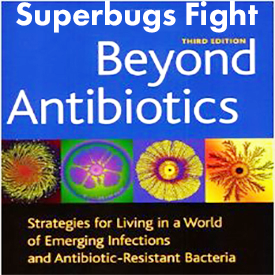
Beyond Antibiotics: Living
in a World of Antibiotic-Resistant Bacteria The Book: Beyond
Antibiotics At
a time when the numbers of emerging infections and antibiotic-resistant
bacteria are rising sharply, the supply of new antibiotic drugs has been
steadily decreasing. In addition, many health providers have failed to
consider that our bodies are cloaked in a blanket of bacteria so pervasive
that the bacterial cells outnumber our “human” cells by a factor of ten.
In short, we are living in a microbe’s world and cannot ignore the very
real potential for untreatable serious infections.
Beyond
Antibiotics: Strategies for Living in a World of Emerging Infections and
Antibiotic-Resistant Bacteria
Shirley was once a victim
of the never-ending flow of propaganda from the medical establishment who
wants to maintain a monopoly on the word "cure" and who wants us to believe
that we have no control over our own health and that our only hope to get
"well" is with drugs, surgery and radiation. You can read an account
of Shirley's
journey into health without drugs, surgery or radiation.
Home: ShirleysWellnessCafe.com
(aka: MyWellnessHouse.com) is a free educational site site dedicated to
help promote holistic health for you, your family, and your animals.
Transfer
Factors
Question?
or use this contact
form You can also call 323-522-4521 or 323-389-0560
Dr.
Olson's health education and product information call: every Thursday
at 5 pm Pacific time, 8 pm Eastern time. 877-678-5433 access code: 810483#/
Dr. Olson offers much educational information about health. She dedicates
a lot of time for questions and interactive talk)
Antibiotic
resistance is a widespread problem, and one that the U.S. Centers for
Disease Control and Prevention calls "one of the world's most pressing
public health problems." Bacteria that were once highly responsive to antibiotics
have become increasingly resistant. Among those that are becoming harder
to treat are pneumococcal infections (which cause pneumonia, ear infections,
sinus infections, and meningitis), skin infections, and tuberculosis. Some
resistant infections can cause death. Sick individuals aren’t the only
people who can suffer the consequences. Families and entire communities
feel the impact when disease-causing germs become resistant to antibiotics.
These antibiotic-resistant bacteria can quickly spread to family members,
school mates and co-workers — threatening the community with a new strain
of infectious disease that is more difficult to cure and more expensive
to treat." more..
Transfer
Factors Question?
or use this contact
form You can also call 323-522-4521 or (323) 389-0560
Dr. David M. Markowitz,
M.D. -
"Did you know that close to $10
billion was spent on antibiotics in the U.S. last year? Did you know that
many bacteria have become increasingly resistant to these drugs and that
many drugs are outdated as soon as they are released for use? Have you
seen the many articles in Time and Newsweek (and many medical journals)
about the variety of plagues caused by infectious agents throughout the
world? What can we do to protect ourselves in a safe and natural way against
this ever-increasing threat? Have you had a child or patient who has required
multiple drugs to deal with one or several ear infections? This is how
this threat touches our daily lives." Dr. Markowitz
is a retired pediatrician in Kennebunk, ME and has served as the Senior
Pediatrician in a Private Pediatric Practice for 19 years.
Dr. Jimmy Gutman, M.D
- "Clinical evidence links low glutathione
levels to the most common illnesses of our time as well as newly emerging
diseases. Glutathione levels diminish as we age and many diseases normally
associated with aging have been linked to glutathione deficiency."
Dr. Allan Somersall M.D
- "To raise glutathione levels is to
reduce premature oxidation, to quench destructive free radicals and help
detoxify the poisons inside each cell when it needs to. Only Immunocal
is clinically proven to do that in a safe, effective and convenient way."
Learn
more...
Optimal Prostate Health and
Prevention Measure to prostate enlargement.
Prostate Cancer: a drugless
approach
Homeopathic approach to impotence,
bladder infections, prostate problems etc.
The Male Andropause (like menopause)
Male Herbs for Impotence
Peter R. Breggin,
M.D - "The drugging of children has gotten
so out of hand that America is waking up to this. This is a national catastrophe."
more
Julian Whitaker M.D -
"Class
action lawsuits have been filed in Texas, California and New Jersey charging
Swiss pharmaceutical giant Novartis, maker of Ritalin,
with conspiracy to create the psychiatric disorder known as ADHD in order
to fuel the market for their product." more...