The Health Benefits of Essential Fatty Acids
 Robert Willner, M.D., Ph.D. - "A top European health research
scientist, Dr Johanna Budwig, has discovered a totally natural formula
that not only protects against the development of cancer but people
all over the world who have been diagnosed with this incurable disease
and sent home to die have actually been cured and now lead normal
healthy lives."
Robert Willner, M.D., Ph.D. - "A top European health research
scientist, Dr Johanna Budwig, has discovered a totally natural formula
that not only protects against the development of cancer but people
all over the world who have been diagnosed with this incurable disease
and sent home to die have actually been cured and now lead normal
healthy lives."
Research has suggested that omega-3 fatty acids, or essential fatty acids (EFAs), can help
lower cholesterol, regulate heartbeat, and thin the blood, thereby lessening the risk of
heart disease. It's also possible that the omega-3 group may aid in treating depression,
according to neuroscientist Andrew L. Stoll, MD, of Harvard Medical School, who has studied
the effects of omega-3s on the illness.
Flax the Super Food contains important essential
fats, omega-3s and omega-6s, but it's also rich in lignans, which
boast antibacterial, antiviral, and antifungal properties and may
play a vital role in the prevention of breast,
prostate, uterine, and colon cancers.
Dr. Budwig’s Flax Seed Oil-Protein Diet
The Flaxseed (Linseed) oil diet was originally proposed by Dr.
Johanna Budwig, a German biochemist and expert on fats and oils,
in 1951. Dr. Budwig holds a Ph.D. in Natural Science, has undergone
medical training, and was schooled in pharmaceutical science, physics,
botany and biology.
 Dr. Budwig's formula has been used therapeutically in
Europe for prevention of chronic disease such as
tumors, malignancy, Arteriosclerosis, Strokes, Cardiac Infarction, Heartbeat (irregular), Liver (fatty degeneration),
Lungs (reduces bronchial spasms), Intestines (regulates activity), Stomach Ulcers (normalizes gastric juices),
Prostate (hypertopic), Arthritis (exerts a favorable influence), Eczema (assists all skin diseases), Old age
(improves many common afflictions), Brain (strengthens activity), Immune Deficiency Syndromes
(multiple sclerosis, autoimmune illnesses).
Thousands have flocked to hear Dr. Budwig lecture all over Europe and fewer people have had a greater impact on the medical
community and modern nutritional science.
Dr. Budwig's formula has been used therapeutically in
Europe for prevention of chronic disease such as
tumors, malignancy, Arteriosclerosis, Strokes, Cardiac Infarction, Heartbeat (irregular), Liver (fatty degeneration),
Lungs (reduces bronchial spasms), Intestines (regulates activity), Stomach Ulcers (normalizes gastric juices),
Prostate (hypertopic), Arthritis (exerts a favorable influence), Eczema (assists all skin diseases), Old age
(improves many common afflictions), Brain (strengthens activity), Immune Deficiency Syndromes
(multiple sclerosis, autoimmune illnesses).
Thousands have flocked to hear Dr. Budwig lecture all over Europe and fewer people have had a greater impact on the medical
community and modern nutritional science.
Thousands have been helped by her protocol. Testimonials can be
found for almost every type of cancer and tumors, even late stage.
Dr. Budwig has assisted many seriously ill individuals, even those
given up as terminal by orthodox medical practitioners, to regain
their health through a simple regimen of nutrition. The basis of
Dr. Budwig's program is the use of flaxseed oil blended with low-fat
cottage cheese.
Dr. Johanna preaches against the use of what she calls "pseudo"
fats - "hydrogenated," "partially hydrogenated" and even "polyunsaturated."
The chemical processing causes the oils to become a harmful substance
deposited within the body. The heart, for instance, rejects these
fats and they end up as inorganic fatty deposits on the heart muscle
itself. They end up blocking circulation, damage heart action, inhibit
cell renewal and impede the free flow of blood and lymph fluids.
Science has proven that fats play an important role in the functioning
of the entire body. Fats (lipids) are vital for all growth processing,
renewal of cells, brain and nerve functions. Our energy resources
are based on lipid metabolism. To function efficiently, cells require
true polyunsaturated, live electron-rich lipids, present in abundance
in raw flaxseed oil.
Dr. Budwig, has been treating cancer of all kinds with nothing
but cottage cheese and Flaxseed Oil for over 16 years. She says that
people with this disease have blood that is low in Omega 3 and Omega
6 fatty acids and the blood has a greenish cast. Flaxseed oil is 56%
Omega 3 and 16% Omega 6. Recently I read that most people have blood
that is 80% deficient in Omega 3. Dr. Budwig has taken patients sometimes
given only hours to live and restored them to health. Doctors had attempted
to treat patients with sources of Omega 3 but had not been consistently successful.
The Flaxseed (Linseed) oil diet was originally proposed by Dr.
Johanna Budwig, a German biochemist and expert on fats and oils,
in 1951 and recently re-examined by Dr. Dan C. Roehm M.D. FACP (Oncologist
and former cardiologist) in 1990. Dr. Roehm claims: "this flax seed oil diet is
far and away the most successful anti-cancer diet in the
world". Budwig claims that the flaxseed oil diet is both a preventative and a
curative. She says the absence of linol-acids [in the average western
diet] is responsible for the production of oxydase, which induces
tumor growth and is the cause of many other chronic disorders.
Flax and Chronic Disease
A Tape Transcription by Clifford Beckwith
"...the only real defense against chronic disease is the immune system. Everyone gets
cancer every day but if the immune system is where it should be
those cancer cells are eliminated and we never know it. He says
that once a person has developed this disease, even
 though treatments
get it into remission, it will recur again unless the body conditions
that allowed it to develop in the first place are corrected. One of the properties of Flax seems to be a
strengthening of
the immune system. It seems important to use enough flax at first
to get the immune system deficiencies repaired..."
though treatments
get it into remission, it will recur again unless the body conditions
that allowed it to develop in the first place are corrected. One of the properties of Flax seems to be a
strengthening of
the immune system. It seems important to use enough flax at first
to get the immune system deficiencies repaired..."
The body requires special fats that,
among other important functions, make it possible for sufficient
oxygen to reach the cells via the cellular membranes, which
are the key. These special fats are highly oxygen-absorbing. Called
essential fatty acids, or EFAs, these special fats must be supplied
from outside the body every day, from foods and certain oils, because
your body can't manufacture them on its own.
FlaxOil and Cottage Cheese
Dr. Budwig's research found that in order for these fatty acids
to be fully available to the body, they must be tied to a sulfur
based protein; the best source of which is cottage cheese. Depending
on the severity of the condition she had her patients use 3 to 6
Tbsps. of Flaxseed oil a day, with at least 4 oz or 1/2 cup of cottage
cheese per day. I would use at least 1/4 cup cottage cheese per
Tbs. of oil. If 4
 or less Tbsps were used per day and I'd split
that up so that I took them at 4 different times, although there
are no specific guidelines. I have learned recently that Dr. Budwig
recommends that the oil and the cottage cheese be thoroughly mixed
before eating it.
or less Tbsps were used per day and I'd split
that up so that I took them at 4 different times, although there
are no specific guidelines. I have learned recently that Dr. Budwig
recommends that the oil and the cottage cheese be thoroughly mixed
before eating it.
I have realized that an excellent approach would
be to mix however many Tbsps. Of Flax oil one plans to use each
day in a bowl with at least a half cup of cottage cheese and some
fruit such as crushed pineapple or frozen strawberries, put it in
the refrigerator and eat a portion of it at different times during
the day. For two and a half years I put a half cup of cottage cheese
in a bowl, added a Tbsp. Of flaxseed oil, mixed in some crushed
pineapple or frozen strawberries or honey and took it to school for lunch. That tasted good.
"Dr. Budwig has been nominated for a Nobel prize 7 times, but her
methods have incurred the wrath of the establishment
and she is passed over. Especially upsetting is her refusal to use radiation or chemotherapy."
Omega-3 Oils for a Healthy Cholesterol Balance
We have been mislead in our understanding of cholesterol.
Cholesterol has been portrayed as being bad. The fact is cholesterol forms the membranes
that enclose every cell in the body. Within the cells of the skin,
cholesterol is changed by the sunlight into vitamin D which regulates
the use of calcium. Cholesterol convert into bile salts in the liver
to digest fats. The emphasis should not be
lowering cholesterol, rather on the “measures” of cholesterol,
dietary among them, supporting its benefits to produce optimal cholesterol levels.
One of the measures you can apply is to increase the amount of omega-3 EFA you consume.
The omega-3 oils appear to change the balance
of cholesterol in the blood: (1) they lower the “bad” LDL (low density
lipoprotein) that carry cholesterol to the cells throughout the
body. If levels get too high they go rancid and stick to arterial
walls causing them to narrow. (2) they raise the “good” HDL (high
density lipoprotein) which removes cholesterol from the blood and
carries It back to the liver. Only when the diet provides enough
omega-3 to link up with cholesterol in the liver can cholesterol
do its many important functions safely.
The Budwig Diet
by Robert Willner, M.D., Ph.D.
"Thousands have flocked 10 hear Dr. Budwig lecture all over Europe.
The many people Dr. Budwig's formula has helped testify to the benefits
of her remarkable discovery. Following are a few examples: In one
of my interviews with Dr. Budwig I was introduced to Siegried Ernst,
M.D.. He is a rare and dedicated man who counts among his personal
friends the current Pope as well as many other dignitaries."
 "Seventeen years ago Dr. Ernst had developed cancer for which
he had major surgery requiring removal of his stomach. Two years
later he had a recurrence of the this disease and was offered chemotherapy
as the only available remedy. There was little hope for survival
as virtually all individuals with recurrence of this type of disease rarely last a year."
"Seventeen years ago Dr. Ernst had developed cancer for which
he had major surgery requiring removal of his stomach. Two years
later he had a recurrence of the this disease and was offered chemotherapy
as the only available remedy. There was little hope for survival
as virtually all individuals with recurrence of this type of disease rarely last a year."
Dr. Ernst knew that chemotherapy was not only ineffective for his type
of cancer but completely destructive of the quality of life, so
he refused.
He turned to Dr. Budwig and her formula for help. He religiously
followed Dr. Budwig's formula and fifteen years later has not had
any recurrence of abnormal cell growth. As a matter of fact he seemed to me to
be in perfect health and is tireless for a man in his late seventies".
It is essential to use only unrefined, cold-pressed oils
with high linolic acid content, such as linseed, sunflower, soya,
poppyseed, walnut, and corn oils. Such oil should be consumed together
with foods containing the right proteins otherwise the oils will
have the OPPOSITE EFFECT, causing more harm than good.
The best combination is cottage cheese and linseed oil.
The linseed should be freshly ground. Carbohydrates containing natural
sugar, such as dates, figs, pears, apples and grapes, are also included
in the diet. Honey is also beneficial. Most of the synthetic vitamin
A preparations are bad because they contain oxidation products,
but much carotine as provitamin A (from carrot) is consumed. Vitamin
B from buttermilk, yoghurt, and natural yeast is beneficial.
A person requires daily about 4 oz. of cottage cheese mixed well
with 1.5 oz. of linseed oil and 1 oz. of milk. A blender or egg
beater works fine. The mixture an be sweeten with honey or otherwise
flavored naturally. Fresh fruits can be added. Every morning 2
spoonfuls of freshly ground linseed oil should be taken in luke
warm buttermilk or yogurt. The diet improves failing hearing, sight, and is the
ideal nutrient for children and infants. It is suggested that this
diet be supplemented with lactic acid ferments.

Animals Need Omega 3 Essential Fatty Acids Too!
Dogs need Ten Times as much oil as humans
Dr. Broadhurst explains in a recent issue of Nutrition Science
News that, "because dogs have long coats and an excellent ability to burn fat for energy,
they need five to 10 times as much oil as humans to achieve measurable clinical improvement."
Thus, she recommends the following regimen: Weeks one through six: one to six tablespoons daily,
depending on weight. (Use one to two tablespoons for dogs less than 20 pounds; use two to four
tablespoons for dogs 20 to 50 pounds; four to six tablespoons for dogs over 50 pounds.) After six
weeks or once improvement is noted, reduce dosage to one-third to one-half.
 Dr. Jean Hofve DVM writes that because our dogs
and cats cannot convert plant oils (such as flaxseed oil)
into EPA and DHA to any significant extent, fish oils are the best way to supplement dogs and
cats with essential fatty acids. must be purified
to remove heavy metals and other contaminants. Freshness is what separates the great oils from the
not so good. All oils, but Omega-3s in particular, are easily oxidized (made rancid) from light,
heat, exposure to air, moisture, and natural degradation over time. Rancid oils are not only
lacking in beneficial properties, but they are actually dangerous to consume
Dr. Jean Hofve DVM writes that because our dogs
and cats cannot convert plant oils (such as flaxseed oil)
into EPA and DHA to any significant extent, fish oils are the best way to supplement dogs and
cats with essential fatty acids. must be purified
to remove heavy metals and other contaminants. Freshness is what separates the great oils from the
not so good. All oils, but Omega-3s in particular, are easily oxidized (made rancid) from light,
heat, exposure to air, moisture, and natural degradation over time. Rancid oils are not only
lacking in beneficial properties, but they are actually dangerous to consume
Omega 3 fats such as fish oil, coconut oil, and olive oil play a major role in the maintenance of
healthy coat and skin for dogs, cats, ferrets, rodents, birds and
horses. Without essential fatty acids
in our diets, cells can not be formed or function efficiently.
Like humans, animals also use omega 3 fatty acids
to produce hormone-like substances called eicosanoids, which are involved
in many important biological functions in the body. Essential fatty acids
are the building blocks for prostaglandins which work to regulate hormones,
immune and nervous systems plus cardiovascular function.
Mixing chia seeds with animal's food
also provide valuable essential fatty acids (omega 3 oil) and other
valuable nutrients. The vets are finding remarkable results in clearing
up skin conditions, relieving arthritic and inflammatory pain, as well
as improved over all pet health.
Further research indicates that horses fed flax and injected with
the deadly organism Escherichia coli were better protected than those
not fed flax, suggesting enhanced immunity in these animals. Select
Alaskan sled dog mushers are fortifying their dogs diets with flax oil
as it serves as a source of valuable energy, keeps less desirable saturated
fats mobile in the blood stream, increases oxygen uptake to the cell,
decreases recovery time from strenuous exercise, and prevents and heals
worn and chaffed paws. Numerous studies conducted on animals and humans
show that flax oil has powerful anti-tumor properties and may reduce tumor
size by 50%
Animal Testimonials of Cures with omega 3 essential fatty acids
- Cliff Beckwith - "I have a 13 year old dog. He has cancer. He's eyes are dull and
he's so weak he can't lift his leg. I should have put him to sleep
but I didn't want to. I put a Tbsp. of flax oil and a half cup of
cottage cheese in his bowl and he wolfed it down. I did that three
times a day for ten weeks. Today he's running all over the place,
his eyes are bright, his coat is shiny and he's gaining weight."
That was the 2nd dog I'd heard of in 3 days that showed improvement
from using Flax Seed oil. The other is owned by my cousin's daughter"
- From Tim Brown: "My dog Shilo, a 3 1/2 years old
Golden Retriever, was diagnosed with Leukemia
of the bone marrow. He was diagnosed on March 19, '99 and the next
day I started him on 3 tablespoons of flax oil and cottage cheese
and within hours his energy improved. Four days later, on March
24th, I took him back to the vet and they did a blood test and were
baffled because his white cell count was normal, his red blood cells
were normal, and his platelets were clotting normal, he had no fever,
and he was acting like a normal dog and they didn't understand.
On April 13th he had another test and no abnormal growth cells.
HE HAS BEEN
CANCER FREE SINCE MARCH 24th 1999. Just think I spent over $2000.0 on vets to
find out what he really needed was a bottle of flax seed oil that costs about $12.00.
Before this he was a very sick dog and according to the vets he was suppose to be dead by now."
CERTAIN LYPOLYTIC SUBSTANCES FOUND IN UNSATURATED FATS, CAUSES
FAT TO DISSOLVE AGAIN !
 "How is it that fats can both cause tumors to form and also to
dissolve? How is it that fats both cause and prevent heart infarction?"
Johanna Budwig in her book describes what fat is and that it consists
of glycerin, which has three arms. Chains of fatty acids are attached
to each arm. She explains the difference between saturated and unsaturated
fats and concludes that what people need in Europe as well as in
America are highly unsaturated fats.
"How is it that fats can both cause tumors to form and also to
dissolve? How is it that fats both cause and prevent heart infarction?"
Johanna Budwig in her book describes what fat is and that it consists
of glycerin, which has three arms. Chains of fatty acids are attached
to each arm. She explains the difference between saturated and unsaturated
fats and concludes that what people need in Europe as well as in
America are highly unsaturated fats.
She says, "In the highly unsaturated fats, the so-called linoleic acids, there is generated a field of
electrons, a veritable electrical charge which can be quickly conducted
off into the body, thus causing a recharging of the living substance—especially
of the brain and nerves. She says that a lack of highly unsaturated
fatty acids paralysis many vital functions in the body, primarily
in respiration, actually cutting off the air we breathe (Using flax
seed should have positive implications for athletes.).
Flaxoil v/s gounded Flaxseeds - dosage information
 Jack Carter Ph.D., president of the Flax Institute of the N.
Dakota State University gave me the following information:
Jack Carter Ph.D., president of the Flax Institute of the N.
Dakota State University gave me the following information:
- Grounded flaxseed contain about 45% oil.
- 450 grams of grounded flax is equivalent to about 180 to
200 grams of oil. (450 grams = about 1 lb)
- 1/5 cup of grounded flax is about 30 grams which is a common
dose for a 150 lb person (or about 1 1/2 tablespoon.
- 3 tablespoons of whole flax seeds (or approx. 1 1/2 oz)
= 1 tablespoon of oil
- One ounce of oil = 2 tablespoons of whole seeds
- 14 large capsules of linseed oil = one tablespoon of oil according
to the manufacturer
- Too much of a good thing could be detrimental.
Flaxseed oil manufacturers recommends one to two tablespoons of flaxseed oil
per 100 pounds of body weight.
Some nutritionists recommends that athletes take one tablespoon
of High Lignan Flax Oil per 75lbs of bodyweight. Some Pro athletes
take up to 10 tablespoons of High Lignan Flax Oil per day and still
LOST body fat. Flax oil does not convert to body fat, not ever. And
this fact alone, makes it the perfect supplement for a dieter, and
the perfect food for a hard gainer needing a way to increase calories.
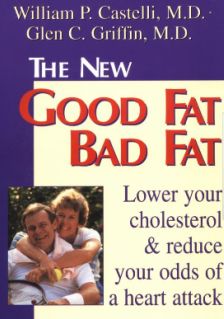
The Omega Diet: The Lifesaving Nutritional Program Based on the Diet of the Island of Crete
Artemis P. Simopoulos
Is it really possible that eating more fat is the key to better
health? It depends on the fat, according to Dr. Artemis Simopoulos.
The Omega Plan shows, in great detail, the difference between omega-3
fats, those found in and some green vegetables, and omega-6 fats,
which are found in most meats and vegetable oils. The former have
heart-protective and disease-preventive properties; the latter, he
 writes, cause obesity, heart disease, tumor, depression, and a
host of other ills. Omega-3 fats are at the heart of his plan, along
with ample servings of fruits and vegetables.
writes, cause obesity, heart disease, tumor, depression, and a
host of other ills. Omega-3 fats are at the heart of his plan, along
with ample servings of fruits and vegetables.
Most Americans are Omega-3 deficient because of our over-processed
diets, and one of the most common symptoms of Omega-3 deficiency
is depression, among other mental health symptoms.
Note - Whole flax seeds may pass through body undigested because
they do not break down easily. They must be thoroughly chewed or
ground into a meal to aid digestion. Flaxseed, either whole or coarsely
ground, appears stable to long-term storage at room temperature.
Even after 308 days at 22 C (72 F) there was essentially no change
in peroxide value as a measure of oxidation by-products or in the
percentage of Alpha linoleic Acid (ALA) in fat extracted from the
stored flaxseed samples. Baking effects: ALA in whole and milled
flaxseed also appears to be stable to heat equal or greater than
the temperatures involved in baking batters and doughs such as muffins
and yeast bread. Thermal stability was shown in 1992 by the absence
of significant changes in peroxide values and fatty acid composition
when both forms of flaxseed were heated for 60 minutes at either
100 C (212?F) or 350 C (662 F). Furthermore, gas liquid chromatography
showed no signs of new transisomers of ALA or of cyclic fatty acid
formation in samples subjected to these degrees of heat.
Omega 3 oils, obtained primarily from fish and flaxseed, have
all kinds of possibilities, according to research physician Rudin,
who has worked with them for years (coauthor Felix is a nutrition
science journalist). For example, they raise the level of "good"
and lower the level of "bad" cholesterol. They may be of help in
preventing sudden infant death syndrome, for they have been absent
in many babies who died of the tragic malady. Heart disease, diabetes,
skin conditions, and premenstrual syndrome apparently are helped
by Omega 3 oils as are several diseases of aging. Even mental problems
such as agoraphobia, mood disorders, and schizophrenia are, Rudin
claims, improved by these oils. Rudin bases most of his argument
on a research study he carried out in the 1980s. Although it included
just 44 patients and had no control group, the study produced results
Rudin believes are valid enough to prove his assertions.
Improve Children's IQ and Behavior with Flax Oil
 The implications of omega-3 oil
deficiency on the brain are profound and span the entire human life cycle. Beginning
in pregnancy, premature birth and its potential neurologic complications may
result from omega-3 deficiency. Babies who are bottle-fed or born from omega-3-deficient
mothers will lack the essential fatty acids
necessary for optimal cognitive and visual development.
The implications of omega-3 oil
deficiency on the brain are profound and span the entire human life cycle. Beginning
in pregnancy, premature birth and its potential neurologic complications may
result from omega-3 deficiency. Babies who are bottle-fed or born from omega-3-deficient
mothers will lack the essential fatty acids
necessary for optimal cognitive and visual development.
The brain’s need for healthy fats does not go away post-infancy.
Omega-3 deficiencies in adults have been linked to various mental
and emotional disorders. In fact, “some doctors even think the
epidemic amounts of mental illness in modern societies can be
traced back to the omega imbalance in the food supply,” according
to Eat and Heal, by the Editors of FC&A Medical Publishing.
The belief that "fish is brain food" has been held around the world for well over two thousand years.
"When essential fatty acids were examined in 23 maladjusted children and 20 normal
children, EFA blood levels in poorly behaved children were significantly lower. In 1987,
researchers further documented that 48 children with ADHD reported significantly greater
thirst, more frequent urination, and more health and learning problems than children
without ADHD. Significantly lower levels of two omega-6 fatty acids and one
omega-3 fatty acid were found in the subjects with ADHD symptoms.
This is crucial information for our children, especially those
who are diagnosed with ADHD and who are presently being prescribed
Ritalin. There's strong evidence that medication alone is not enough
to help children who suffer from a severe inability to concentrate.
"We shouldn't be prescribing medicine simply because that's the
easiest way to go," notes Dr. Mark Stein, who runs a University
of Chicago clinical for children and adults with the disorder. In
fact, studies show that children whose treatment program includes
only medication, educational and psychological therapy continue
to be at high risk for vandalism, petty crime, frequency of alcoholic
intoxication, and possession of marijuana.
Read the incredible testimonial
of Lisa Mc'Gowan whose 10 year old ADHD labeled son dramatically
improved with flaxseed oil "My 10 year old son has been taking flax
oil for a little over a month now. This stuff in unbelievable."
Omega-3 Fats Can help combat depression
 Research has suggested that omega-3 fatty acids, or essential
fatty acids (EFAs)can help in treating depression,
according to neuroscientist Andrew L. Stoll, MD, of Harvard Medical
School, who has studied the effects of omega-3s on the illness.
Research has suggested that omega-3 fatty acids, or essential
fatty acids (EFAs)can help in treating depression,
according to neuroscientist Andrew L. Stoll, MD, of Harvard Medical
School, who has studied the effects of omega-3s on the illness.
A few promising studies suggest that natural sources of omega-3s and especially
fish oil, may help bring mood back into balance. Will fish
oil ever join the ranks of Prozac as a remedy for depression? Several
teams of researchers are currently testing fish oil as a remedy
for depression, bipolar disorder, and schizophrenia.
As reported in the May 1999 issue of the Archives of General Psychiatry, Stoll
and colleagues found that large doses of fish oil significantly
eased the symptoms of severe bipolar disorder, even in some patients
who weren't responding to drug treatment.
The study, which measured
rates of relapse into mania, involved 30 patients whose symptoms
were not abated by their medications. Fourteen of the subjects started
taking a hefty 10 grams of fish oil every day, some while using
other medications and some using the fish oil alone, while the rest took olive oil.
Flaxseed and the Immune System
Recent research suggests that ALA (alpha-linoleic acid) and lignans
in flaxseed modulate the immune response and may play a beneficial
role in the clinical management of autoimmune diseases. For example,
systemic lupus erythematosus (SLE)
is an inflammatory disease that occurs mainly
in young women. It is characterized by a variety of clinical findings,
including inflammation of the kidney (nephritis). Studies show that
patients with SLE exhibit increased production of platelet-activating
factor (PAF), a mediator of immune response and promoter of platelet
aggregation.
Dietary flaxseed has provided significant benefits
in animal models of lupus nephritis and in patients with this condition.
In one study of nine patients with lupus nephritis, PAF-induced
platelet aggregation was inhibited and renal function improved when
subjects consumed 15 to 45 g flaxseed/day for four weeks. The lignan
component of flaxseed is believed to be responsible for this effect.
Flax Is an Ancient Crop
Flax has been grown since the beginnings of civilization,
and people all over the world have celebrated its usefulness
throughout the ages. Cultivated flax, L. usitatissimum, is of
two types: one is grown for the seed and the other for fibre
production. In North America, it is primarily the oilseed varieties
which are produced commercially. Records show that the human race has
eaten this seed since early times.
- About 3,000 B.C. Flax is cultivated in Babylon. Burial chambers
depict flax cultivation and clothing from flax fibres.
- About 650 B.C. Hippocrates writes about using flax for the relief
of abdominal pains. In the same era, Theophrastus recommends the use of flax mucilage as a cough remedy.
- About 1st Century A.D. Tacitus praises the virtues of flax.
- About 8th Century A.D. Charlemagne considered flax so important for
the health of his subjects that he passed laws and regulations requiring its consumption.
- About 15th Century A.D. Hildegard von Bingen used flax meal in hot
compresses for the treatment of both external and internal ailments
the difference between fish oil and flaxseed oil?
Both fish and flax are good sources of omega-3's, and for people
who will not consume fish for any reason, flax will do. Flaxseed
oil is also less expensive, which can be an important consideration
as well. The main difference is that flaxseed oil contains only
alpha- linoleic acid (ALA), which is the parent compound from which
other omega-3 fatty acids are derived. This leaves it to your body
to do the conversion to the other forms it needs, eicosapentaenoic
acid (EPA) and docosahexaenoic acid (DHA).
The problem is that the conversion is not always that efficient,
and the body often uses the ALA for extra energy, leaving less for conversion
to the other types. Fish oil, on the other hand, contains the other
forms and delivers them directly to your body with no conversion
necessary. Whatever form you decide to take, nutritionists recommend
to back it up with an extra 400 IU of vitamin E (as mixed tocopherols)
to prevent the fatty acids from breaking down too rapidly in your body.
Dr. Barry Sears Ph.D - "Since the body cannot make essential
fatty acids, they must be a part of your daily diet. Essential fatty
acids are classified as either long-chain omega-6 or long-chain
omega-3, depending on the position of the double bonds in the fatty
acid molecule. When metabolized, long-chain omega-6 and omega-3
fatty acids produce eicosanoids, which can have dramatically different physiological actions in your
body. Simply said, the omega-6 fatty acids found in processed shortenings
and vegetable oil products produce “bad” eicosanoids and the omega-3
fatty acids found abundantly in cold water fish and
fish oils produce “good eicosanoids,” which control silent inflammation.
The problem with our diet today is it contains numerous sources
of omega-6 from processed foods and very little omega-3 fatty acids."
A few promising studies suggest that natural sources of omega-3s --
especially fish oil -- may help bring mood back into balance.
Will fish oil ever join the ranks of Prozac as a remedy for depression?
Several teams of researchers are currently testing fish oil as a remedy for
depression, bipolar disorder, and schizophrenia.
Eskimos have a high intake of omega-3 fatty acids and a low
incidence of heart, joint and skin problems
The low death rate from heart disease among Eskimos, about one tenth
of that in many Western countries, has led to interest in the beneficial
effects of fish fatty acids, such as EPA and DHA. These fatty acids
are abundant in the Eskimo diet, where their content is 20 times
higher than in the European and the American diet. Among the Eskimos
not only heart disease but also joint and skin diseases are uncommon.
Fatty fish should be an ideal source of omega-3 fatty acids.
However, most fish today are contaminated with environmental poisons.
Another problem is that fatty fish become rancid immediately after death.
That is the reason why Chinese people bring home their fish from the shop
in a living state. A third problem is that the fatty acids can be destroyed
during the preparation of the fish, e.g. grilling or frying. These are some
reasons why fish oils have been developed as substitution for fish.
Quick at-a-glance glossary
EFA: essential fatty acids
EPA: eicosapentaenoic acid (an omega-3 oil)
DHA: docosahexaenoic acid (an omega-3 oil)
ALA: alpha linoleic acid (an omega-3 oil)
GLA: is gamma linoleic acid (an omega-6 oil)
LA: linoleic acid (an omega-6 oil)
Beware of farmed salmons Packed with omega-3 fatty acids, salmon
is one of the healthiest foods you can eat. Or is it's Environmental
Working Group found that farmed salmon had 16 times the PCBs found
in wild salmon, four times the levels in beef, and 3.4 times the
levels found in other seafood. The New York Times notes that while
the PCB levels in salmon are high, they do not exceed those set
in 1984 by the FDA for commercially sold fish; however, they do
exceed the guidelines set by the Environmental Protection Agency in 1999 for recreationally caught fish.

The media and health professionals are loudly proclaiming the health risks of trans
fat, because even the smallest amounts in
your diet can raise your risk of heart disease and other health conditions. But trans fats—especially
from partially hydrogenated oils—are found everywhere! From the grocery store shelves to
restaurant menus, trans fat works its way
into the foods we eat and jeopardizes our health. Get the Trans Fat Out shows you how you can identify and avoid these damaging
fats—without sacrificing taste or convenience.
Mary Enig, PhD - "Vegetable oils are more toxic when heated.
One study reported that polyunsaturates turn to varnish in the intestines.
A study by a plastic surgeon found that women who consumed mostly
vegetable oils had far more wrinkles than those who used traditional
animal fats. A 1994 study appearing in the Lancet showed that almost
three quarters of the fat in artery clogs is unsaturated. The "artery
clogging" fats are not animal fats but vegetable oils. Those who
have most actively promoted the use of polyunsaturated vegetable oils
as part of a Prudent Diet are well aware of their dangers.
In 1971, William B. Kannel, former director of the Framingham study,
warned against including too many polyunsaturates in the diet. A
year earlier, Dr. William Connor of the American Heart Association
issued a similar warning, and Frederick Stare reviewed an article
which reported that the use of polyunsaturated oils caused an increase
in breast tumors. And Kritchevsky, way back in 1969, discovered
that the use of corn oil caused an increase in atherosclerosis...."
Maintaining Health with the Benefits of Evening Primrose Oil
 Evening Primrose Oil contains the essential fatty acid
Gamma linoleic Acid (GLA). GLA is the last stable
precursor to a group of hormone-like compounds called prostagiandins,
that control cell growth, cell regeneration, skin condition, the
menstrual cycle, and blood pressure. The purposes of Prostaglandins
include lowering blood pressure, reducing risks of blood clotting,
stimulating the immune system, and regulating brain function. Animal
studies at the University of Pennsylvania have also shown them to
prevent arthritis. This is also being studied in humans trials in
Europe with similar results. The source of EFA’s in these studies
has been Evening Primrose Oil.
Evening Primrose Oil contains the essential fatty acid
Gamma linoleic Acid (GLA). GLA is the last stable
precursor to a group of hormone-like compounds called prostagiandins,
that control cell growth, cell regeneration, skin condition, the
menstrual cycle, and blood pressure. The purposes of Prostaglandins
include lowering blood pressure, reducing risks of blood clotting,
stimulating the immune system, and regulating brain function. Animal
studies at the University of Pennsylvania have also shown them to
prevent arthritis. This is also being studied in humans trials in
Europe with similar results. The source of EFA’s in these studies
has been Evening Primrose Oil.
Preliminary studies in Sweden are relating Evening Primrose Oil
to an anti-oxidant in that it also counter acts the formation of
free radicals. Free radicals are most often associated with the
aging process. Maintaining health is just one of the benefits of
Evening Primrose Oil. It is also being studied extensively in England
and Europe for its pain reduction in association with arthritis,
controlling complications of diabetes, controlling liver and kidney
damage due to alcohol, depression, Multiple sclerosis, skin/hair/nail
repair, and most impressively, controlling sever symptoms of PMS.
"A study at St. Thomas Hospital in London found that when PMS
suffers were given evening primrose oil three times daily, 67% of
the participants were symptom-free and 22% achieved partial relief.
In all total, 89% had positive results with the evening primrose oil.
Properties: Formerly cultivated for its nutritious edible roots,
it is being increasingly cultivated for the oil contained in its
seeds which contains certain the essential gamma-linoleinc acid
(GLA), a very valuable fatty acid that is not found in many plants
and has numerous vital functions in the body. GLA is an essential
fatty acid that the body does not manufacture.
This fatty acid is known to help prevent hardening of the arteries,
heart disease, eczema, cirrhosis, rheumatoid arthritis, menopause,
PMS, multiple sclerosis, and high blood pressure. It has a positive
effect on sex hormone response including the hormones estrogen and
testosterone, aids in lowering cholesterol levels, and is important
in treating cirrhosis of the liver. Research also demonstrates that
primrose oil helps relieve pain and inflammation.
The oil also has a positive effect on the uterine muscles, nervous
system and metabolism. The bark and the leaves are astringent and
sedative. They have proved of use in the treatment of gastro-intestinal
disorders, whooping cough and asthma. A tea made from the roots
is used in the treatment of obesity. A finely ground powder made
from the flowering stems is used cosmetically in face-masks to counteract
reddened skins.
Why lignan rich flaxseed oil?
Emerging scientific evidence has begun to focus on another healing
element found in the fibrous shell hull of the flaxseed. Special
phytochemical constituents have been isolated in flax, that once
ingested are converted to potent disease fighting and preventative
compounds called mammalian lignans. Extensive evidence from numerous
research institutes has revealed the potent anti-tumor properties
exhibited by these amazing natural plant chemicals. Lignans
have been shown to prevent the cause of colon and breast abormal growth
where they start, by normalizing hormone metabolism responsible
for the disease. Lignans are phytonutrients (plant compounds) found
in high-fiber foods such as grains, legumes, fruits, and vegetables.
Flaxseeds are the most abundant source of plant lignans, containing
over 100 times more than other common plant sources. Some studies
indicate lignans have anti-carcinogenic effects and may protect
against many disease. Several clinical research centers, including the
National Cancer Institute, are currently studying the preventive
and nutritional benefits of flaxseed lignans on humans.
A few points about High Lignan Flax Oil and other healthy oils:
- Not all Flax Oil is high in lignans -- a High Lignan oil
will be a rich, dark-brown color, inferior oil will be a pale
yellow. There are very few High Lignan Flax Oils on the market
that successfully meet all of these characteristics.
- High Lignan Flax Oil must be cold expeller pressed and unfiltered
to be effective. (Heat will destroy its beneficial properties)
- Flax oil must be fresh. (It goes rancid very quickly and
will not be edible, so put it in the refrigerator after opening)
- Liquid flaxseed oil is better than capsules.
- Barleans recommends one to two tablespoons of flaxseed oil
per 100 pounds of body weight.