Do
Not Take This Deadly Diabetes Drug -- Two Reasons Why Hundreds
of people taking Avandia, a controversial diabetes medicine, needlessly
suffer heart attacks and heart failure each month. Confidential
government reports say that about 500 heart attacks and 300 cases
of heart failure would be averted every month if patients switched
away from Avandia. One report, by Dr. David Graham and Dr. Kate
Gelperin of the FDA, argued that Avandia should be withdrawn from
the market.
Cinnamon6
supplement: A blend of seven elements designed to help the body
regulate glucose and insulin Cinnamon 6 is an innovation in
herbal and botanical science formulated to help the body maintain
a healthy glucose level. The "seven miracle elements" in Cinnamon
6 have a long standing reputation for assisting the body in glucose
stabilization. Whencombining these miracle elements with eating
a good diet, effective exercise, hydrating with good water and other
good health practices, you will be on the path to optimum health
and longevity.
Over 30 years ago, Dr. James Chappell learned about the health
benefits of fenugreek and
chromium, especially how they affect sugar
in the body. Many years later, he learned about
American ginseng and Nopal
cactus doing the same. About 10 years ago, he discovered
Gymnema sylvestre. And finally within recent
years, he was introduced to activated cinnamon
and bitter melon. After he
combined these six herbs and one mineral, (chromium) he discovered
the most profound synergistic, adaptogenic health benefits of any
herbal compound he
had
ever used or experienced These ingredients
are part of the formula in
Cinnamon6 supplement
Russian
-
Español
-
Français
-
Japanese
--
Estonia
Cinnamon6 Nutritional Tool Box an innovation in herbal and botanical science to help maintain a healthy glucose level contains the following:
Watch the video
-
Cinnamon has a broad range of historical uses in different cultures, including the treatment of diarrhea, rheumatism, as
an antibacteria, digestive aid relieving gas and bloating as
well as certain menstrual disorders. But the most significant
use recently discovered by Dr. John Anderson of the United States
Department of Agriculture (USDA), is for regulating glucose.
As you know, sugars and starches in food are broken down into
glucose, which then circulates in the blood. The hormone insulin
helps the cellular receptor sites attract glucose to be used
as energy or made and stored as fat. (Cinnamon is part of the
Cinnamon6 supplement formula.) Google Scholar:Cinnamon
improves glucose and lipids of people with diabetes
-
Fenugreek is used as a spice and medicinal herb throughout
the world. Traditional Chinese herbalists use it for a multitude
of conditions including kidney problems, male reproductive infections,
constipation, atherosclerosis, high triglycerides and high cholesterol.
However, the number one reason fenugreek is used universally,
is for diabetes and sugar-intolerance problems. (Fenugreek
is part of the
Cinnamon6 supplement formula.) Google Scholar:Fenugreek
seeds improves glucose and lipids of people with diabetes
-
Chromium Polynicotinate - In the 1950s it was found
that chromium was necessary for the maintenance of normal
glucose tolerance.Although it used to
be found in many foods - whole grains, cereals, spices, mushrooms,
raw sugar and meat Brewer’s yeast is the best source available.
(Chromium Polynicotinate is part of the
Cinnamon6 supplement formula.) Google Scholar:Chromium
Polynicotinate improves glucose and lipids of people with diabetes
-
Nopal Cactus (prikly
pear cactus) has been used in Mexico to treat diabetes,
stomach problems, fatigue, shortness of breath, easy bruising,
prostate enlargement and liver disease for over 1,000 years.
It has been thoroughly documented for over 500 years. Legend
has it, the Aztecs consumed the ;prickly pear” to control or
actually cure ;sweet urine” (diabetes) disease in adults. (Nopal
cactus is part of the
Cinnamon6 supplement formula.) Google Scholar:
Nopal Cactur improves glucose and lipids of people with diabetes
-
Bitter Melon Its use dates back
over 5,000 years in China. In the Amazon it is being used for
expelling worms, intestinal gas, stimulating and promoting menstruation,
as an antiviral for measles and hepatitis, but it is especially
used for diabetes or ;sweet urine. To date, close to
100 in vivo (human) studies have demonstrated the blood sugar
lowering effect of this bitter fruit. The fruit has also
shown the ability to enhance a cells uptake of glucose, to promote
insulin release and to potentiate the effect of insulin. (Bitter
melon is part of the
Cinnamon6 supplement formula.) Google Scholar and
other: Bitter melon educational information
-
Gymnema Sylvestre - is a woody plant that grows in the
tropical forests of central and southern India. The leaves are
used in herbal medicine preparations. The plant, when chewed,
actually blocks the sugar receptor sites, which explains the
Hindi name gurmar or ;sugar destroyer.” Gymnema has been
used in India for the treatment of diabetes for over 2,000 years.
(Gymnema Sylvestre is part of the
Cinnamon6 supplement formula.)Google
Scholar:
Gymnema improves glucose and lipids of people with diabetes
- For an anti-diabetic remedy,
American ginseng is very effective. In the Archives
of Internal Medicine (2000), it was reported by the University
of Toronto, Canada, that American ginseng produces a ;significant
reduction” in blood sugar in people with diabetes. Even
at the Pritzker School of Medicine, University of Chicago, Dr.
Jing-Tian Xie, reported in the Pharmacology Res. 2004, ;American
ginseng possesses significant antihyperglycemia and thermogenic
activity and may prove to be beneficial in improving the management
of Type 2 diabetes.” He also said, ;American ginseng berry possesses
significant antihyperglycemic and antiobese effects.” From a
2,000-year-old history of the Chinese using Asian ginseng, to
our 300-year-old history using American ginseng, there is plenty
of evidence that ginseng absolutely lowers glucose. Nowcomes
the magical herb fenugreek. (American Ginseng is part of the
Cinnamon6 supplement formula.) Google Scholar:
American Ginseng improves glucose and lipids of people with
diabetes
-
Watch the video

Guylaine Lanctot, M.D"
- "The medical establishment works closely with the drug multinationals
whose main objective is profits, and whose worst nightmare would
be an epidemic of good health. Lots of drugs MUST be sold. In order
to achieve this, anything goes: lies, fraud, and kickbacks. Doctors
are the principal salespeople of the drug companies. They are rewarded
with research grants, gifts, and lavish perks. The principal buyers
are the public - from infants to the elderly - who MUST be thoroughly
medicated and vaccinated...at any cost! Why do the authorities forbid
alternative medicine? Because they are serving the industry, and
the industry cannot make money with herbs, vitamins, and homeopathy.
They cannot patent natural remedies. That is why they push synthetics.
They control medicine, and that is why they are able to tell medical
schools what they can and cannot teach."
1997,
scores of liver-related deaths were linked to the pill. Rezulin
was withdrawn from the U.S. market in March 2000. By then, it had
generated $2.1 billion in sales for Warner-Lambert. (You can read the full story
Hidden Risks, Lethal Truths at the LA Times' website, but you
will be required to register - it's free.)
Our Deadly Diabetes Deception
Greed and dishonest science have promoted a lucrative worldwide
epidemic of diabetes that honesty and good science can quickly reverse
by naturally restoring the body's blood-sugar control mechanism.The
classification of diabetes as a failure to metabolize carbohydrates
is a traditional classification that originated in the early 19th
century when little was known about metabolic diseases or about
metabolic processes. Today, with our increased knowledge of metabolic
processes, it would appear quite appropriate to define Type 2 Diabetes
more fundamentally as a failure of the body to properly metabolize
fats and oils. This failure results in a loss of effectiveness of
insulin and in the consequent failure to metabolize carbohydrates.
Unfortunately, much medical insight into this matter, except at
the research level, remains hampered by its 19th century legacy.
Thus Type II Diabetes and its early hyperinsulinemic symptoms
are whole body symptoms of this basic cellular failure to properly
metabolize glucose. Each cell of our body, for reasons which are
becoming clearer, find themselves unable to transport glucose from
the blood stream to their interior. The glucose then either remains
in the blood stream, is stored as body fat or as glycogen, or is
otherwise disposed of in urine.
The goal of any effective alternative program is to repair and
restore the body’s own blood sugar control mechanism. It is the
malfunctioning of this mechanism that, over time, directly causes
all of the many debilitating symptoms that make orthodox treatment
so financially rewarding for the diabetes industry. For Type II
Diabetes, the steps in the program are: repair the faulty blood
sugar control system. This is done simply by substituting
clean healthy beneficial fats and oils
in the diet for the pristine looking but toxic trans-isomer mix
found in attractive plastic containers on room temperature supermarket
shelves. Consume only flax oil,
fish oil and occasionally
cod liver oil until blood sugar starts to stabilize. Then add
back healthy oils such as butter,
coconut oil, olive oil and
clean animal fat. Read labels; refuse to consume cheap junk oils
when they appear in processed food or on restaurant menus. Diabetics
are chronically short of vitamins and minerals; they need to add
a good quality broad spectrum supplement to the diet.
click here to read the entire article
Dr.
Lisa Landymore-Lin wrote all about this in her book Poisonous
Prescriptions asking, ‘Do
Antibiotics Cause Asthma and Diabetes?’ We are now even beginning
to question the role of antibiotics as a cause of cancer since they
do lead to pathogen overgrowth especially in the area of yeast and
fungi. Chris Woollams writes, ;It is estimated that 70 per cent
of the British population have a yeast
infection. The primary cause of this is our love of antibiotics.
"Bart
Classen, a Maryland physician, published data showing that diabetes
rates rose significantly in New Zealand following a massive hepatitis
B vaccine campaign in young children, and that diabetes rates also
went up sharply in Finland after three new
childhood vaccines were introduced."
Nicholas Regush ABCNEWS.com
June 30, 2002 Los Angeles Times Sunday Report Hidden Risks,
Lethal Truths - Warner-Lambert won approval for Rezulin after
masking the number of liver injuries in clinical studies. WASHINGTON
-- Newly obtained internal documents show that Warner-Lambert Co.
executives who promoted the diabetes pill Rezulin masked early indications
of the drug's danger to the liver from federal regulators and later
delayed sharing information about its lethal toxicity with family
doctors. The newly acquired materials show that company management
rebuffed employees who questioned liver-injury totals from clinical
studies that excluded 38% of the cases. At the time, Warner-Lambert
was assuring doctors nationwide that the drug was as safe as a placebo,
the harmless pill used as a control in medical testing. The story
of the Food and Drug Administration's handling of Rezulin is well
known.
Cinnamon6 Supplement : A blend of seven elements designed
to help the body regulate glucose and insulin. The 7 ingredients
of Cinnamon6 are especially designed to modulate the glucose levels
and the metabolic and endocrine systems.
The Role of Glutathione in Diabetes
and Blood Sugar
"Diabetics are prone to infections and circulatory problems
leading to heart disease, kidney failure and blindness.
Glutathione protects against the
complications of diabetes" - Clinical Science 91: 575-582, 1996
Dr. Jimmy Gutman, MD - "Clinical evidence links low glutathione
levels to the most common illnesses of our time as well as newly
emerging diseases. Glutathione levels
diminish as we age and many diseases normally associated with aging
have been linked to glutathione deficiency."
Glutathione GSH is a master antioxidant,
an important line of defense against diseases, toxins, viruses,
pollutants, radiation and oxidative stress. Low glutathione levels
are linked to diseases such as Cancer, Multiple Sclerosis, AIDS,
Alzheimer’s, Parkinson’s, Atherosclerosis, pregnancy complications,
male infertility, diabetes and Cataracts. A Glutathione deficiency
can cause a lack of coordination, mental disorders, tremors, and
difficulty maintaining balance. Glutathione is continuously defending
our body against attacks from disease, toxins, poisons, viruses,
pollutants, radiation and oxidative stress. Without Glutathione
our liver would soon become overwhelmed with the accumulation of
toxins, resulting in organ failure and death.
To truly understand how glutathione
plays major role diabetes health care you must first understand
some of the ;root causes” of diabetes within your body. Many people
mistakenly believe that diabetes simply ;happens”, but this is rarely
the case. Sure, in some cases (very few) you may be pre-destined
for it through genetics, but their are many ways glutathione helps
diabetes in slowing down the symptoms or at least delaying the onset
of diabetes.
- Diabetics have high levels of oxidative stress. Oxidative
stress occurs in your body when the number of free radicals
exceeds the number of antioxidants that are present to neutralize
them. It has become widely known that long periods of oxidative
stress in your body can cause extremely high levels of cellular
inflammation. This inflammation left unaddressed within the
body has been shown to be a root cause of nearly every degenerative
disease such as; cancer, stroke, and heart disease.
- Inflammation leads to insulin resistance. Insulin
resistance occurs within your body when your pancreas is creating
insulin but it’s not able to use it properly to break down glucose.
This can directly lead to low levels of energy since glucose
is not being broken down utilized properly. At the later stages
of diabetes insulin resistance can lead to more serious health
concerns such as damage to the heart and blood vessels, high
cholesterol, high blood pressure and syndrome x(metabolic syndrome).
- Tests show diabetics have low levels of intracellular
glutathione. Glutathione is the body’s master antioxidant
controlling both oxidative stress and inflammation levels within
the body. This makes it critical for diabetics raise their levels
of glutathione to combat this condition. Each and every cell
within the body is responsible for producing its own glutathione
as long as it has the right nutrients to do so. As you can see,
glutathione plays a major role in diabetic health. Make sure
to get the right combination of nutrients each day to maximize
your glutathione levels. You’ll feel the difference!
learn more about glutathione
Glutationine testimonial
"I was having a great deal of trouble keeping my sugar down, even
though I was on Insulin injections. I had Iost the sight in one
eye and the other eye was ulcerated, with loss of vision eminent.
I was terribly down and lacked the energy to move and was rapidly
gaining weight. My sister introduced me to
Immunocal, after her hearing
a radio show on the benefits of glutathione
and calling the number. It was also suggested that I take the Xtra
Sharp and the vitamin, which I agreed on. After two months on Immunocal
and the Xtra Sharp my sugar was leveled and upon going to my eye
specialist I was told that the ulcerations were gone, as was the
itching and running from the eyes. I have more energy that I can
ever remember having and I am now taking walks daily. In six weeks
lost twenty-two pounds. Immunocal has definitely improved the quality
of my life." Gwen M.
My name is Shirley Hulen, a 74-year-old homemaker from Milwaukie,
Oregon. After having several tests done at the Women’s Fair in October
1999, a nurse advised me to see my doctor because of elevated blood
sugar. I was diagnosed with Type 2 diabetes as a result of
the HbA1c test done at that visit. Next came a class at the hospital
where we learned all aspects of diabetes, including neuropathy.
At that time, I had no feeling from the ankles down, along with
the tingling and pain. My disappointment came when I was told this
condition would never go away and would continue to progress as
more nerves were damaged. And progress it did---until it finally
reached both knees! Since this was something I had to live with
for the rest of my life, or so I was told, I accepted the fact I
would be very inactive when I should be exercising to help control
my blood sugar and to lose weight. Near the end of 2001, I learned
about glutathione (Immunocal)
and on January 7, 2002 I took my first packet. Within weeks, I began
to notice some things missing or improved. A sore in one ear was
gone after 3 to 4 years. No more headaches, because my year-round
sinus infections were also gone after many years. I was able to
almost close both hands after arthritis prevented it from happening.
Imagine my excitement when I noticed that my neuropathy had lowered
almost two inches below my knees. In the middle of March I began
taking two packets of Immunocal a day and by late June the neuropathy
was only in the bottom of my feet. How exciting for something that
would NEVER be reversed! We just came back from our church campout
on the Oregon coast. This year I walked everywhere I needed to go,
with much improved balance. Last year I could only walk short distances
with assistance and had to be driven the longer ones. Shirley Hulen
- P.S. My eyes are in excellent condition and there is no blurring
learn more about glutathione...
The Immune System and Diabetes
"I have had diabetes for 38 of my 49 years and I've had
kidney disease since1986. In August of 1999, I went for my quarterly
blood test for my kidneys. The physician called me after the test
was taken and said, "Not only are your kidneys functioning well,
after fourteen years, their function has improved dramatically."
My BUN (blood urea nitrogen) was near normal after fourteen years
of it being almost twice as high as it should be because my kidneys
weren't filtering well. The only supplemental change in my life
was transfer factors. Only once in my life
did I endorse a
product.
I've been on an insulin pump for seven years, and I've allowed my
name, face, and testimony to be used nationally. This is the second
time, and it took alot to convince me. Not only did it reverse my
kidney disease, but this is the first year in sixteen years
that I haven't gotten a flu shot or gotten the flu or bronchitis"
Marc H. Blatstein, Former President, Philadelphia Chapter of
the Juvenile Diabetes Foundation
Dr. Neal Donohu - ;I think a product like
transfer factors. needs to be at the
root of any prevention program, particularly in the compromised
patients, for example, the diabetics...with an increased risk of
diabetic amputation, with wounds, and all of the things that we
see...We need to have products like transfer factors at the core
of preventative medical programs...We need to get this to the general
public. They are at risk also with this expanding epidemic of diabetes.”
Dr. Neal Donohu, Director of Surgery, President of World Walk
Foundation
I have a daughter who is diabetic...Today we went to see her
endocrinologist and her hemoglobin report was in the fantastic range,
and I know it is because of her taking transfer factors...We are
very strong believers in this product.” Donna
Wilkinson, TX
;My first cousin has had [diabetes] for 62 years...Her foot doctor,
who is an advocate of transfer factors, had her call me and get
transfer factors....They thought she
was going to lose a foot and she mega-dosed on transfer factors.for
two weeks...She lost a toe, not an entire foot.”
Marc H. Blatstein, Former President, Philadelphia Chapter of
the Juvenile Diabetes Foundation
Greg B. Wilson, Ph.D. and James B. Daily, Jr., Ph.D -
"Transfer factors are not only useful
for disease prevention but can also help with diseases already established
due to inadequate immune response. Since transfer factors-producing
T lymphocytes are important in immune recognition and memory, impairment
of transfer factors production could neutralize the rest of the
immune response in otherwise healthy individuals. Therefore, introducing
transfer factors can sometimes enable a dysfunctional immune system
to return to normal." More about Transfer Factor
Dr. Sam Jones, DVM - "Two cats, both about 8 years old,
had severe diabetes. It was impossible to get the insulin requirements
adjusted. They had lost weight to a point that they were skin and
bones. Both cats had no quality of life left. After one week of
being on transfer factors we were able
to get their insulin requirements adjusted. It is now 6 months and
they have regained their weight and have a great quality of life
and health."
More
about Transfer Factors and animals
Click here to learn more about transfer factors
Where to purchase fransfer factors
amazon.com : Maggot Therapy: A Handbook of Maggot-Assisted
Wound Healing
google
book online reading
Maggot Debridement Therapy (MDT) by Ronald A. Sherman,
MD
Medicinal maggots have three actions: 1) they debride
(clean) wounds by dissolving the dead (necrotic), infected
tissue; 2) they disinfect the wound, by killing bacteria;
and 3) they stimulate wound healing. more ...
Dr. Robert Young states: "Excess acidity is a condition that
weakens all body systems. The pancreas is one of our body’s organs
charged with the awesome responsibility toalkalinize us. Can you
start to see how our serious acidosis has overwhelmed our pancreas’
ability to operate effectively, which then results in a state called diabetes?”

Western Medicine Fails Tim Russert
Byron Richards, CCN
"The
most glaring omitted information from Russert’s doctor is telling us what diabetes medication he was
taking. I am willing to bet that he was taking Avandia, the drug the FDA should have pulled off the market because it causes a whopping 43% increased risk of a
sudden heart attack, information the FDA actively sought to
sequester during that drug’s approval process. Why do I think that? Because in the scant health data his doctor is giving out he has stated that Russert had high triglycerides and low HDL
cholesterol – the exact metabolic profile that Avandia is supposed to treat. When a treatment
has death as a common side effect it can hardly be considered a treatment. Could it be that Russert is a casualty of one of the
great Big Pharma/FDA scams currently going on? How ironic, since all news programs are sponsored
by this industry’s ads and the media fought tooth and claw in the past year to ensure that
dangerous drug ads could continue to run non-stop during all news programs – exposing millions of Americans to drug-induced injury (while
they got their billions in ad revenues). I am stunned that no reporter
interviewing his doctor seems to be able to ask such an obvious
question." Learn more:
Western Medicine Fails Tim Russert
Also rich in Omega three fatty acids, Marine Phytoplankton reduces
the levels of sugar in the bloodstream of the diabetic patient.
The most renown feature of Marine Phytoplankton
as one of the natural cures for diabetes is that it not only improves
the blood sugar levels, but it also prevents the usual complications
that arise from diabetes. Testimonials show dramatic changes in
glucose levels of those who choose to use marine phytoplankton,
although it must already be established as one's maintenance intake
for diabetics because losing the supply of marine phytoplankton
may spike glucose levels at abnormal levels again.
Type I, or Juvenile Diabetes, is defined
by the pancreas losing its ability to produce insulin. It is more
severe than Type II, which is characterized by insulin resistance
at the cell membrane level. Inflammation, oxidation,
mitochondrial dysfunction, and toxicity of the cell membrane
result in pancreatic dysfunction, and insulin resistance in each
cell of our bodies, thereby explaining the problems seen with both
types of diabetes. Marine phytoplankton
can help restore function to the cell by correcting those issues
with its high content of antioxidants, anti-inflammatory nutrients,
and its ability to enhance detoxification pathways in the liver,
intestines, kidneys and skin; energy-producing pathways in the mitochondria
are also enhanced.
Marine
phytoplankton's nutrients improve our immune system in the intestines
and in the body, thereby minimizing the damage that our immune system
may bring to the pancreas and cell membranes throughout our body.
Marine phytoplankton reduces the amount of sugar present in our
bloodstream, thereby reducing the myriad of complications seen in
diabetics (eye problems, ulcers in extremities, heart disease, strokes,
hormone problems, neurologic and immune system dysfunction, etc.).
Some people worry that the transient elevation of blood sugar
noted while consuming fruits in general, is a sign that these foods
are not good for diabetics. As noted on the front cover of the March
2005 issue of the Journal Neuron, this reasoning is not justified.
In fact, this very misconception leaves people to lack antioxidants
that are essential to build and fuel their cell membranes. Furthermore,
they end up dissatisfied and craving sugar in general, and refined
foods in particular. And so it is that they succumb to the temptation
of eating simple carbohydrates, and processed foods high in
refined
sugars. They would have been better off satisfying their sweet tooth
with fruits.
"My wife is diabetic and after she got breast cancer we hit some
hard times and could not afford her medication. Her sugar count
went to 318, which is high. I told my sister about this, and she
had a bottle of Marine Phytoplankton.
She stated that Marine Phytoplankton has been known to lower sugar
count for diabetics. I picked up the bottle and gave Juanita one
ounce that evening. The very next morning her count had dropped
88 points. I told a friend about Juanita's experience with Marine
Phytoplankton and had him try it. His sugar count dropped 103 points
the next day. We kept track of Juanita's a.m. and p.m. tests for
two weeks... up and down, up and down but the highs were not as
high and lows were lower. After 10 days the lows were in the 120's &
highs were 212 to 250. Her Dr. started her on penicillin shots so
she stopped taking Marine Phytoplankton. Her sugar count went up,
and then up some more until one night it hit 382. I told her flat
out that she was going to take Marine Phytoplankton with her. First
night she had a 142-point drop. Three days later her readings were
in the 170s and going down little by little." K. W.
Dr. Jerry Tennant, M.D. says that
marine phytoplankton contains almost
everything one needs to sustain life and to restore health by providing
the raw materials to make new cells that function normally. Marine
phytoplankton has been called "the most nutritionally dense foods
on the planet". Containing a wide range of trace elements, amino
acids, vitamins, minerals, chlorophyll, enzymes and cellular materials,
marine phytoplankton promotes and maintains optimum health by boosting
and supporting all systems within the body. Its antioxidants and
unique polysaccharides can halt the genetic mutations that can lead
to cancer. Both high levels of saccharides and adaptogens increase
energy and stamina by improving our ability to consume and use oxygen.
Adaptogens also improve cardiovascular health by strengthening the
heart and circulation.
Profound Life-Giving Properties of
Marine Phytoplankton
Results of GLA (gamma linolenic acid) as found in flax oil,
fish oil and evening primore oil supplementation in diabetics truly
astounding!
Stein et al, in their research at the Department of Internal
Medicine, Center for Diabetes Research at the University of Texas
Southwestern Medical Center Dallas Texas have conclusively demonstrated
the vital importance of oils that contain the essential Omega three
fatty acids.
These
Omega three’s as well as an important Omega six are the EFA’s LNA
and LA. When we lack them in our diet, we suffer degenerative disease
Research shows the role certain beneficial fatty acids may play
in preventing or improving cardiovascular complications attributed
to diabetes. "Perhaps of equal or greater importance is the role
certain beneficial fatty acids may play in preventing or improving
cardiovascular complications attributed to diabetes. Buried in the
annals of medicine are extremely optimistic studies attesting to
these facts. This information has not been widely publicized in
the past because fatty acids are naturally occurring nutrients and
can not be patented by pharmaceutical companies and sold at exorbitant
prices. One such fatty acid, gamma linolenic acid (GLA), is found
in nature's most concentrated form as Borage seed oil (24% GLA).
The results of GLA supplementation in diabetics are truly astounding,
as outlined below. Diabetic neuropathy (a painful nerve disorder
resulting from reduced blood flow and subsequent oxygen depravation
of the limbs or organs) was reversed in studies conducted by seven
medical centers. In a separate, but similar study, 12 patients afflicted
with diabetic neuropathy were given 360 mg of GLA daily (the equivalent
of two, 1000 mg. Borage oil capsules), while 10 others were given
a placebo (inactive substance). After 6 months the GLA group showed
statistically significant improvement as compared to the placebo
group. In addition, GLA supplementation has been reported to normalize
the faulty fatty acid metabolism attributed to diabetes by bypassing
the enzyme system responsible for this disorderBy doing so the body's
response to inflammation, pain and swelling is stabilized. Arterial
muscle tone, responsible for blood pressure and optimal circulation,
is also regulated by this system. Animal studies conducted with
GLA have revealed the normalization of intercellular sorbitol levels.
Another study of Type 1 diabetics cited favorable changes in HDL
("good" cholesterol) and blood platelet adhesiveness
In summary, diabetics have been found to possess faulty fatty
acid metabolism which may contribute to the cardiovascular complications
associated with the disease. Scientific research has established
the reduction of certain harmful fats, with the addition of beneficial
fatty acids, may offer a significant breakthrough in combating diabetic
cardiovascular complications with the potential of significantly
lowering health care costs."
The study concluded that all diabetics should be considered for
a dietary protocol of GLA. Other conditions shown to benefit include
high blood pressure, high cholesterol, skin conditions, arthritis,
allergies, weight loss, improved behavior of hyperactive children
and increased strength of hair and nails. Cited in the book, Super
Nutrition For Menopause, written by the renowned nutritionist Ann
Louise Gittleman, is one of the most popular applications of GLA
supplementation in the relief of menstrual pain. Sufferers use a
maintenance dose up to the seventh day prior to menstruation, then
double that dose for the duration of their menstruation. Dietary
restrictions of meat, dairy and eggs during this time has also shown
to compliment this regiment. Many would agree with Ms. Gittleman's
credo in allowing mother nature to cure our ails before relying
on synthetic drugs which often come with side effects. "

"The degenerative disease epidemic that wracks the nation came coincidentally
with the introduction of engineered
fats and oils. It is the type of fats and oils that we consume
that is directly correlated to the rise of epidemic degenerative
disease; it is not the amount of fats and oils that we eat that
causes the problem. It is by chronically consuming the fats and
oils that cause degenerative disease that we impair our ability
to consume healthy fats and oils. We also impair our ability to
consume carbohydrates and thus become Diabetic and Obese" Thomas
Smith, author of Insulin: Our
Silent Killer
An item reported in the British Journal of Nutrition during a
four-week study indicated that flax oil
was beneficial in helping to regulate blood glucose levels in diabetics.
Because most Americans consume highly processed refined oils, many
are deficient in Omega-3 fatty acids that may provide numerous health
benefits to people with high cholesterol, heart disease, stroke,
angina, high blood pressure, rheumatoid arthritis, multiple sclerosis,
psoriasis and eczema, and cancer. Flaxseeds, an unrefined food,
provide the richest source of Omega-3 fatty acids.
Learn more about the health benefits of GLA,
flaxseed oil and borage oil
Researchers from the University of Toronto found adding
chia to the diet of diabetic people for
three months resulted in an important reduction (40%) of certain
inflammation markers and a significant blood pressure reduction.
Since these two aspects are well-known cardiovascular diseases risk
factors, these reductions suggest adding chia to your diet is a
simple way to reduce your risk of developing these diseases.
more
where
to purchase flaxseed oil
Fats That Heal, Fats That Kill : The Complete Guide to Fats, Oils,
Cholesterol and Human Health Udo Erasmus' in-depth look at the
oil industry and the processes that turn healing fats into killing
fats is unequaled. Learning about these processes is essential to
understanding why we must make certain food choices to prevent and
even reverse degenerative diseases including heart disease, cancer
and diabetes. In "Fats That Heal, Fats That Kill," Erasmus has far
surpassed his original best-selling work, "Fats and Oils." From
the way our bodies assimilate fats and oils to the politics of health,
Erasmus
shies away from nothing.
Health Risks from Processed Foods and Trans Fats In this fascinating
discussion nutritional expert Mary Enig, Ph.D. is interviewed by
Dr. Richard A. Passwater concerning the harm caused by partially-hydrogenated
fats that are present in processed foods.
Professor Tom Saldeen, MD, Ph.D. - "Patients with diabetes
would benefit from intake of omega-3 fatty acids for many reasons,
one of which is to diminish the increased tendency to thrombus formation
that is seen in diabetes. However, up to now many physicians have
hesitated to give
fish oil to these patients for the reason that ordinary fish
oil is known to increase blood sugar (Fig 1). This may be due to
the formation of free radicals in the pancreas, with decreased production
of insulin. With stable fish oil this adverse effect is not observed
(Fig 1), and stable fish oil can thus be given to diabetic patients,
which is a major advantage. Unfortunately ordinary (unstable) fish
oil can also induce an increase in blood sugar in persons without
diabetes."
Tom Saldeen
is Professor and Chairman at the Department of Forensic Medicine
at the Medical facility of Uppsala, Sweden and one of the world’s
leading experts on the health benefits of fish oils
Cinnamon6 Supplement : A blend of seven elements designed
to help the body regulate glucose and insulin. The 7 ingredients
of Cinnamon6 are especially designed to modulate the glucose levels
and the metabolic and endocrine systems.
Do you have a question or need guidance?
click here to contact Shirley .
Diabetes and Magnesium: The Emerging Role of Oral Magnesium Supplementation
Type 2 diabetes is associated with low
levels of magnesium in the blood. A large clinical study of
over 2000 people found that higher dietary intake of magnesium may
protect against development of type 2 diabetes. Magnesium was found
to improve insulin sensitivity in these people, reducing the risk
of developing type 2 diabetes. Other clinical studies have found
similar results, especially in the elderly. Magnesium deficiency
in diabetic patients may decrease their immunity, making them more
susceptible to infections and illnesses.
Jerry L. Nadler, MD - The link between diabetes mellitus
and magnesium deficiency is well known.
A growing body of evidence suggests that magnesium plays a pivotal
role in reducing cardiovascular risks and may be involved in the
pathogenesis of diabetes itself. While the benefits of oral magnesium
supplementation on glycemic control have yet to be demonstrated
in patients, magnesium supplementation has been shown to improve
insulin sensitivity. Based on current knowledge, clinicians have
good reason to believe that magnesium repletion may play a role
in delaying type 2 diabetes onset and potentially in warding off
its devastating complications -- cardiovascular disease, retinopathy,
and nephropathy.
Magnesium
deficiency creates resistance to insulin, Insulin resistance increases
levels of insulin, which may result in a form of diabetes. Additionally,
insulin resistance by itself can distrupt intracellular magnesium
levels, as
PubMed studies explains.
Magnesium deficiency is a predictor
of diabetes; diabetics both need more magnesium and lose more magnesium
than most people. In two new studies, in both men and women, those
who consumed the most magnesium in their diet were least likely
to develop type 2 diabetes, according to a report in the January
2006 issue of the journal Diabetes Care. Until now, very few large
studies have directly examined the long-term effects of dietary
magnesium on diabetes. Dr. Simin Liu of the Harvard Medical School
and School of Public Health in Boston says, "Our studies provided
some direct evidence that greater intake of dietary magnesium may
have a long-term protective effect on lowering risk," said Liu,
who was involved in both studies. See Magnesium and Diabetic Neuropathy,
which introduces the concept of administering mega doses of magnesium
to heal Diabetic Neuropathy.
Learn how the prolonged use of Magnesium
can prevent chronic complications from diabetes
Dr. Michael R. Eades MD - "Virtually all the components
of the Metabolic Syndrome of diabetes, high blood pressure, obesity
and lipid disorders are associated with low magnesium."
Dr. Mansmann ;I have had diabetic neuropathy for over
10 years. The most significant symptom is my neuropathic pain of
burning feet, called erythromelalgia. With the aid of Mg (magnesium)I
can completely suppress the symptom, but if my blood glucose level
is acutely elevated, because of a dietary indiscretion, the pain
flares in spite of an apparent adequate dose of Mg. It goes away
with extra Mg gluconate (Magonate) in an hour or so in either case.
Without the Mg it will last for six plus hours, even though the
blood glucose level is normal in about two hours.” ;It is my belief
that every one with diabetes should be taking Mg supplementation
to the point of one’s Maximum Tolerated Dose, which is until one
has soft-semi, formed stools. In addition, anyone with neuropathy,
without a known cause, must be adequately evaluated for diabetes
and especially those with poorly, slowly, healing foot sores of
any kind. Since the use of Mg is safe I see no reason that this
should not be ;the standard of care”. Dr. Herbert Mansmann Jr.,
Director of the Magenesium Research Lab,[xi] who is a diabetic with
congenital magnesium deficiency and severe peripheral neuropathy,
shares that he was able to reverse the neuropathy and nerve degeneration
with a year of using oral magnesium preparations at very high doses.
Magnesium and Diabetic Neuropathy

Is a lack of magnesium related to
type 2 Diabetes in Obese Children?
Magnesium is nothing short of a miracle mineral in its healing
effect on a wide range of diseases as well as in its ability to
rejuvenate the aging body. Symptoms of magnesium deficiency may
include agitation and anxiety, restless leg syndrome (RLS), sleep
disorders, irritability, nausea and vomiting, abnormal heart rhythms,
low blood pressure, confusion, muscle spasm and weakness, hyperventilation,
insomnia, and even seizures. Approximately nine out of ten people
will show dramatic improvements in the state of their health when
they restore their magnesium levels and the very best way to do
that is with
ancient minerals magnesium drawn from an ancient inactive seabed
2 miles beneath the earth in Europe. With such ;brine solutions”
one can simply apply the concentrate to the skin or pour it into
ones bath water and one will have a medical treatment of primordial
priority. Nothing short of a miracle is to be expected in ones health
status if one is ill when one increases the cellular levels of magnesium.
more: educational information
Fish Oil and Diabetes
Population studies have suggested that
fish oil might help protect against diabetes. "There were epidemiological studies on the Greenland Eskimos, a population of people that eat
mainly whale blubber. In a study, researchers had 12 overweight
men and women, aged 40 to 70, consume 1.8 grams of DHA at breakfast
for 12 weeks. While none of the study participants had full-blown
diabetes, they all suffered from insulin resistance -- a pre-diabetic
condition in which the body fails to efficiently respond to insulin.
Using blood tests taken at the start and end of the study, the researchers
assessed changes in each person's insulin resistance. They saw a
change in insulin sensitivity after 12 weeks of DHA supplementation.
A full 70% of the study participants showed an improvement in insulin-related
function, and in 50% it was a clinically significant change. Annual
Experimental Biology 2002 Conference New Orleans, LA April 21, 2002
Ultra-Refined
Fish Oil
Note: Too much of a good thing... "Omega-3 fish oil is
terrific for most of us, but if we get too much it actually
worsens our health. If you are diabetic you will want to monitor
your sugar levels very carefully when you use fish oil, and you
will need to lower or stop the fish oil if your blood sugar rises."
Dr. Mercola
Cinnamon6 Supplement : A blend of seven elements designed
to help the body regulate glucose and insulin. The 7 ingredients
of Cinnamon6 are especially designed to modulate the glucose levels
and the metabolic and endocrine systems.
Simply
Raw: Reversing Diabetes in 30 Days
An independent documentary film that chronicles six Americans
with ‘incurable’ diabetes switching their diet and getting off insulin.
The film follows each participant’s remarkable journey and captures
the medical, physical, and emotional transformations brought on
by this radical diet and lifestyle change. We witness moments of
struggle, support, and hope as what is revealed, with startling
clarity, is that diet can reverse disease and change lives.
more...
Let Thy Food Be Thy Medicine And Thy Medicine Be Thy Food
-- Hippocrates, Father of Medicine 460-377 BC
The Incredible Healing Powers
of Raw (Living) Foods and Juices
Depleted
Uranium (DU), Diabetes, Cancer And You
By Alan Cantwell, MD
According to Asaf Durakovic MD of the Uranium Medical Research
Centre in Washington DC, the term "depleted uranium" is a misnomer.
Both "depleted" and "natural" uranium are over 99% composed of uranium
238. DU is almost as highly concentrated as pure uranium and may
contain plutonium (a deadly element) in trace amounts. DU travels.
DU radioactive particles are picked up by the atmosphere and are
transferred by wind storms and air currents. They permanently contaminate
vast regions and slowly destroy the genetic future of populations
living in those areas. As the Trojan Horse of nuclear war, Moret
calls DU "the weapon that keeps on killing." There is no way to
turn it off - and no way to clean it up. It meets the US government's
own definition of "weapons of mass destruction."
more
The official could only have known about the diabetes link to
depleted uranium from the U.S. State Department and the source of
it all: the Lawrence Livermore Nuclear Weapons Lab, "managed" for
61 years by the University of California. The University of California
nuclear weapons labs are the core of the nuclear weapons program
in the U.S., the only remaining superpower. On May 29, Moret charged
the University of California and the Los Alamos and Livermore Nuclear
Weapons Labs with engineering the largest global increase of diabetes
in history and trying to cover it up. Fine uranium dust, vaporized
into a poison radioactive gas by exploding uranium bombs, missiles
and bullets, hitches a ride on dry desert winds to circle the globe
in days. Dr. Chris Busby, a leading British radiation expert, got
data from a nuclear weapons air monitoring facility at Aldemaston,
England, which identified depleted uranium in the British atmosphere
only nine days after the "shock and awe" carpet bombing of Baghdad,
started in March of 2003.
The
embassy official had just let the cat out of the bag and confirmed
the link between the global epidemic of diabetes and the use of
depleted uranium by the U.S.-U.K. expeditionary forces in Iraq,
Afghanistan and the former Yugoslavia.
Global diabetes epidemic caused by depleted uranium
Depleted uranium is a genocidal radioactive metal used for bullets,
bombs and missiles by the United States and Great Britain as munitions
in Iraq, Afghanistan and the former Yugoslavia. Millions of pounds
of weaponized radioactive uranium gas and dust have been dispersed
by US/UK military forces in Iraq and Central Asia. The use of uranium
weapons has caused a global diabetes epidemic since 1991, according
to scientist Leuren Moret. It is enough uranium dust to cause an
estimated twenty five million additional cancers in Iraq in the
next decade. The US and UK military still use uranium munitions.
more
Micro algae (marine phytoplankton) have been
successfully used to improve immunity of people with Diabetes, Cancer,
AIDS, and Colitus.
How to Detox Your Body
of Depleted Uranium Residues, the Effects of Radiation, and Radioactive
Contamination
Insulin Resistant Diabetes - Hyperinsulinemia - Type 2 Diabetes Diabetes Mellitus, Type 1 (juvenile diabetes)
Diabetes starts out as an "insulin resistance" condition, before
it turns into an "isnulin insufficiency" condition. The cause of
the condition lies in the
heat-processed
fats and oils we have been consuming for decades in this society.
Any intelligent protocol for the management of diabetes must take
into account those facts. This article describes the protocols that
work, and explains the process for the condition, as well the cure.learn
more
Insulin Resistant Diabetes
or Insulin Resistant Hyperinsulinemia
by Thomas Smith
Insulin Resistant Diabetes or Hyperinsulinemia is known to the
medical community by the symptoms that it produces. Some of these
symptoms are: Atherosclerosis, Vascular disease, Diabetes type 2,
Impotence, Kidney Failure, Heart Failure, Liver Damage, Stroke,
Obesity, Neuropathy, Retinopathy and Gangrene to name but a few.
Hyperinsulinemia is also thought to be implicated in several forms
of Cancer and in the epidemic of Attention Deficit Hyperactivity
Disorder (ADHD) raging through our schools today; although with
these latter two diseases, the evidence while quite compelling is
not yet completely conclusive. As we develop the evidence for these
connections, we will post them on this site.

The good news is that although this disease accounts for almost
half of the annual death toll from all causes, it is, in most cases,
curable- permanently, quickly, economically, completely and often
easily and by natural means. That means little or no reliance upon
synthetic designer drugs and no ineffective medical treatments for
symptoms while causal agents remain untreated. It is now possible
to look forward to something other than a rapid decline to invalid
status and an early painful death.
To cure Hyperinsulinemia, Type II Diabetes, Syndrome X and many
other consequential diseases that stem from poisonous fats and oils,
it is important to realize that the chronic ingestion of Refined
and Hydrogenated fats and oils is implicated as a causal agent in
these diseases. Margarine, artificial shortenings, refined oils
and all Hydrogenated edible products are long term toxic to the
human metabolism. An important consideration about these edible
oils is a widespread fraudulent advertising technique that enables
the oils manufacturer to sell known toxic oils to the unsuspecting
public without breaking the law. Many refined vegetable oils are
advertised as monounsaturated or as polyunsaturated in order to
confuse the purchaser. From my own research of the scientific literature
when I was forced to find a cure for my own Type II Diabetes, I
know that this Trans configuration is a major cause of Type II Diabetes.
I also know that the complete removal of these toxic fats and oils
and the consumption of therapeutic quantities of the EFA’s rapidly
leads to reversal of Type II Diabetes. Thomas Smith is the author
of Insulin: Our Silent Killer
Bittersweet: Diabetes, Insulin, and the Transformation of Illness
Magnesium deficiency creates resistance
to insulin, Insulin resistance increases levels of insulin, which
may result in a form of diabetes. Additionally, insulin resistance
by itself can distrupt intracellular magnesium levels, as
PubMed studies explains.
Learn more about Insulin Resistant
Diabetes, Hyperinsulinemia, or Insulin Resistant Hyperinsulinemia
and consequential diseases that stem from poisonous fats and oils.
Cinnamon6 Supplement : A blend of seven elements designed
to help the body regulate glucose and insulin. The 7 ingredients
of Cinnamon6 are especially designed to modulate the glucose levels
and the metabolic and endocrine systems.
Insulin Resistant Diabetes
or Hyperinsulinemia and ADD Insulin Resistant Diabetes or Hyperinsulinemia
is thought to be implicated in several forms of Cancer and in the
epidemic of Attention Deficit Hyperactivity Disorder (ADHD) raging
through our schools today.
Maintaining healthy glucose (sugar) levels is also an important
part of pancreatic health. It’s an even more important aspect of
good health for people afflicted with metabolic and endocrine disorders.
These disorders prevent or disrupt the body’s ability to produce
or properly use insulin, a hormone needed to convert sugar, starch
and other foods into the energy that sustains life.
Do you have a question or need guidance?
click here to contact Shirley .
According to researchers and physicians studying the adverse effects
of aspartame (Aspartame is the technical name for the brand names,
NutraSweet, Equal, Spoonful, and Equal-Measure.), the following
chronic illnesses can be triggered or worsened by ingesting of aspartame:
Brain tumors, multiple sclerosis, epilepsy, chronic fatigue syndrome,
Parkinson's disease, Alzheimer's, mental retardation, lymphoma, birth defects, fibromyalgia,
and diabetes
Sugar Free Products Alert!
- H. J. Roberts, M.D. - "I have observed severe intellectual
deterioration associated with the use of aspartame products
(NutraSweet/Equal/Spoonful/Canderal/Benevia, etc.) It was usually
manifest as great difficulty in reading and writing, obvious
problems with memory and grossly impaired orientation to time,
place and person."
- Ralph Walton, M.D. - "Aspartame has a profound effect
on mood and cognition....depressed mood, anxiety, dizziness,
panic attacks, nausea, irritability, impairment of memory and
concentration."
- (Learn about the Legal class action against aspartame. )
more
Aspartame-Toxic
Water Being Hustled On School Kids
American Water Star selling poison aspartame water to schools. Aspartame
triggers gross
obesity,
suicide,
diabetes,
behavioral problems and learning disorders. Even more diseases and
symptoms fill a 1038 page medical text.
Human clinical studies show Fulvic acids offer
significant help with Diabetes mellitus
Diabetes mellitus stems from dietary deficiency of protective
humic substances, especially fulvic acids. Scientists found that
fulvic acids show significant success in preventing and combating
free radical damage to pancratic islet B cells, which is the widely
accepted cause for diabetes mellitus. What they discovered was that
the Fulvic acid preparation significantly increases superoxide dismutase
(SOD) activity. Their clinical studies show that fulvic acids diminish
the development and progression of diabetes, and assisted
in the treatment. With fulvic acid, diabetes patients became
more energetic and the tingling, painful feeling and numbness experienced
in the nerve endings disappeared or were reduced. For centuries
people living in isolated villages in the Himalayas and adjoining
regions have used preparations made from a rare fulvic acid containing
humic substance known as Shilajit, to prevent
and combat problems with diabetes. Diabetes is quite uncommon
in the isolated mountain villages, yet a brisk trade in these rare
fulvic acid containing preparations has expanded in recent years
to the traditional doctors in surrounding regions.
more

Diabetes
Mellitus, Type 1 (juvenile diabetes)
Insulin Resistant
Diabetes type 2
People with type I diabetes mellitus (insulin-dependent diabetes)
produce little or no insulin at all. In type II
diabetes mellitus (non-insulin-dependent diabetes), the pancreas
continues to manufacture insulin, sometimes even at higher than
normal levels. However, the body develops resistance to its effects
and the sugar in the blood does not enter the cells as well as it
should resulting in higher blood sugar levels. Type II diabetes
usually begins after age 30 and becomes progressively more common
with age. Obesity is a risk factor for type II diabetes; 80 to 90
percent of the people with diabetes are obese.
Diabetes mellitus (DM) is a chronic metabolic disorder caused
by an absolute or relative deficiency of insulin, an anabolic hormone.
Insulin is produced by the beta cells of the islets of Langerhans
located in the pancreas, and the absence, destruction, or other
loss of these cells results in type 1 diabetes (insulin-dependent
diabetes mellitus [IDDM]). Most children with diabetes have IDDM
and a lifetime dependence on exogenous insulin.
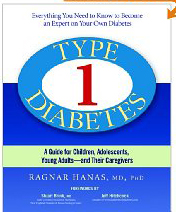
Type 1 Diabetes: A Guide for Children, Adolescents, Young Adults--and
Their Caregivers
Vaccines Proven To
Be Largest Cause of Insulin Dependent Diabetes in Children
In the May 24, 1996 New Zealand Medical Journal, Dr. Classen reported
that there was a 60 percent increase in Type I diabetes (juvenile
diabetes) following a massive campaign in New Zealand from 1988
to 1991 to vaccinate babies six weeks of age or older with hepatitis
B vaccine. His analysis of a group of 100,000 New Zealand children
prospectively followed since 1982 showed that the incidence of diabetes
before the hepatitis B vaccination program began in 1988 was 11.2
cases per 100,000 children per year while the incidence of diabetes
following the hepatitis B vaccination campaign was 18.2 cases per
100,000 children per year. Diabetics Advised to Seek Legal Counsel
Now, Before Their Right to Compensation Expires. Dr. Classen presented
data supporting a causal relationship between many different vaccines
and the development of insulin diabetes. His data included the pertussis,
mumps, rubella, hepatitis B, hemophilus influenza and others. The
data indicated people with vaccine induced diabetes may not develop
the disease until 4 or more years after receiving a vaccine. Lawyers
attending the conference and who reviewed the data, advise diabetics
to seek legal counsel at once. The government provides compensation
for vaccine induced injuries however there is a statute of limitations.
Insulin dependent diabetes cost the patient about $1 million over
their life time. more...
Childhood Vaccinations and Juvenile-Onset (Type-1) Diabetes
by Harris Coulter, Ph.D.
Testimony before the Congress of the United States, House of Representatives,
Committee on Appropriations, subcommittee on Labor, Health and Human
Services, Education, and Related Agencies
There are many reports in the literature of Type-I diabetes emerging
after mumps vaccination. In 1997, Sinaiotis and colleagues reported
the onset of Type-I diabetes one month after receipt of mumps vaccine
in a 6.5 year old boy. In 1991, Pawlowski and Gries described an
11-year old body who had mumps disease at age 16 months and then
received measles-mumps vaccine 5 months prior to the emergence of
Type-I diabetes; he had severe abdominal pain and fever one week
after vaccination. In 1984, Otten and colleagues reported three
cases of Type-I diabetes with onset in one case 10 days and, in
other cases, 3 weeks after mumps vaccination in children 3,2 and
16 years of age. In 1986, Helmke and colleagues reported seven children
who developed Type-I diabetes in the second to fourth week following
mumps or measles-mumps vaccination.
more...
Soy and Type 1 Diabetes in Children
Contrary to popular belief that soy is a health food, evidence reveals
that soy consumption has been linked to numerous disorders, including
infertility, increased cancer and infantile leukemia, Type1 diabetes,
and precocious puberty in children have been fed soy formula.
more
A combined research team of Cornell University Medical College
and Long Island Community Hospital medical experts have found that
children
who
develop Type1 diabetes are twice as likely to have been fed
soy formulas as those fed all other foods This confirms concerns
based on animal studies raised in the 1980's and 1990s by Health
Canada researcher Dr Fraser Scott and led to the American Academy
of Pediatrics issuing their warning to pediatricians against any
use of soy based formulas. Scientists have known for years that
the isoflavones in soy products can depress thyroid function
and cause goiters in otherwise healthy children and adults. Researchers
at Cornell University Medical College said that children who got
soy formula were more likely to develop thyroid disease and that
twice as many diabetic children had received soy formula in infancy
as compared to non-diabetic children. In fact, in other countries
such as Switzerland, England, Australia and New Zealand, public
health officials recommend highly restricted medically monitored
use of soy for babies and for pregnant women. Soy formula is a lifesaver
for the 3 to 4 percent of babies allergic to cows milk, but it is
so widely advertised that it is sold to 25% of the entire formula
market. Soy and Type 1 Diabetes in
Children
The Everything Parent's Guide To Children With Juvenile Diabetes:
Reassuring Advice for Managing Symptoms and Raising a Happy, Healthy
Child
Over 30 years ago, Dr. James Chappell learned about the health
benefits of fenugreek and
chromium, especially how they affect sugar
in the body. Many years later, he learned about
American ginseng and Nopal
cactus doing the same. About 10 years ago, he discovered
Gymnema sylvestre. And finally within recent
years, he was introduced to activated cinnamon
and bitter melon. After he
combined these six herbs and one mineral, (chromium) he discovered
the most profound synergistic, adaptogenic health benefits of any
herbal compound he had ever used or experienced.
Click here to learn more about this product and watch the video

More
Vaccines Equal More Diabetes - In the October 22, 1997 Infectious
Diseases in Clinical Practice, Classen presented more data further
substantiating his findings of a vaccine-diabetes connection.
He reported that the incidence of diabetes in Finland was stable
in children under 4 years of age until the government made several
changes in its childhood vaccination schedule. In 1974, 130,000
children aged 3 months to 4 years were enrolled in a vaccine
experimental trial and injected with Hib vaccine or meningococcal
vaccine. Then, in 1976, the pertussis vaccine used in Finland
was made stronger by adding a second strain of bacteria. During
the years 1977 to 1979, there was a 64 percent increase in the
incidence of Type 1 diabetes in Finland compared to the years
1970 to 1976.
Doctors started making reports in the medical literature
as early as 1949 that some children injected with pertussis
(whooping cough) vaccine (now part of the DPT or DTaP shot)
were having trouble maintaining normal glucose levels in their
blood. Lab research has confirmed that pertussis vaccine can
cause diabetes in mice.
As
diabetes research progressed in the 1960's, 70's and 80's, there
were observations that viral infections may be a co-factor in
causing diabetes. The introduction of live virus vaccines, such
as live MMR vaccine which is made from weakened forms of the
live measles, mumps and rubella viruses, has raised questions
about whether live vaccine virus could by a co-factor in causing
chronic diseases such as diabetes.
In 1982, another vaccine was added to the childhood vaccination
schedule in Finland. Children aged 14 months to six years were
given the live MMR (measles-mumps-rubella) vaccine. This was
followed by the injection of 114,000 Finnish children aged 3
months and older with another experimental Hib vaccine. In 1988,
Finland recommended that all babies be injected with the Hib
vaccine.
The introduction of these new vaccines in Finland were followed
by a 62 percent rise in the incidence of diabetes in the 0 to
4 year old age group and a 19 percent rise of diabetes in the
5 to 9 year old age group between the years 1980 and 1982 and
1987 and 1989. Classen concluded:
"The net effect was the addition of three new vaccines to
the 0-4 year old age group and a 147 percent increase in the
incidence of IDDM [insulin dependent diabetes mellitus] , the
addition of one new vaccine to the 5-9 year olds and a rise
in the incidence of diabetes of 40 percent, and no new vaccines
added to the 10 to 14 year olds and a rise in the incidence
of IDDM by only 8 percent between the intervals 1970-1976 and
1990-1992. The rise in IDDM in the different age groups correlated
with the number of vaccines given."
read the rest of the article
The Center for Disease Control, CDC, published data which
supports a link between timing of immunization and the development
of diabetes (Pharmacoepidemiology and Drug Safety Vol 6 Suppl.
2, S60; 1998). The data from the CDC's preliminary study supports
published data that immunization starting after 2 months is
associated with an increased risk of diabetes. The US government
study showed Hep B immunization starting after 2 months was
associated with an almost doubling of the risk of IDDM, odds
ratio of 1.9. The results were also consistent with data that
immunization starting at birth is associated with a decreased
risk of diabetes compared to immunization starting after 2 months
of life (odds ratio of 1.3 vs 1.9). The children immunization
at birth in the CDC study were followed on average less than
2 years. By contrast the BCG data from Sweden showed the ability
of immunization at birth to prevent diabetes is only seen clearly
after about age seven.read
the rest of the article
Childhood Vaccinations
and Juvenile-Onset (Type-1) Diabetes by Harris Coulter,
Ph.D.
Hemophilus Meningitis Vaccine Proven to Cause Diabetes in Clinical
Trial of Over 100,000 Children; Many Diabetics Eligible
for Compensation
More on the danger of vaccines
Do you have a question or need guidance?
click here to contact Shirley .
Bitter Melon is highly prized for its anti-diabetic activity
Bitter
melon, Momordica charantia, (fruit and folliage) has been used
in the Orient as a traditional medicine for diabetes, gastrointestinal
therapy, cancer and viral infections. In Myanmar (Burma), China
and India, it is highly prized for its anti-diabetic activity.
Myanmar traditional physicians prescribe bitter melon to diabetic
patients. Doctors in India are so confident of bitter melon's
positive effect on diabetes, theydispense bitter melon in some
of the most modern hospitals. According to James Duke of U.S

Department
of Agriculture, bitter melon has attained favor in China as
a monoherbal medicine for diabetes mellitus. Bitter melon has
twice the potassium of bananas, and it has been shown to increase
the number of beta cells, those which produce insulin, in the
pancreas.
Bitter melong's common names and their associated cultures
are: Ampalaya, Bitterweed -- Southeastern US; Serasee -- Carribean
islands; Bitter melon -- Oriental immigrants to the US; Carillon
-- Latin America; Mexicane -- Cajun "traeteur" of Louisiana,
USA; Kho Qua -- Vietnam; K'u Kua -- China; ampalayo -- Phillipines;
Kukakaya -- India. Also: Balsam Pear, Boston Apple, Bitter Gourd,
Bitter Cucumber, Concombre Amer.
There
are a myriad of phytochemicals present in bitter melon and at
least three different groups of extracted components have been
reported to regulate and lower blood glucose levels. In 1999,
a Bangladeshi clinical trial was conducted to examine the effect
of Momordica charantia on 100 patients with Non-Insulin Dependent
Diabetes Mellitus (NIDDM) or Type 2 Diabetes. The researchers
recorded the patients’ sugar levels both without food intake
for 12-24 hours and after taking 75g of glucose. They then administered
a bitter melon pulp suspension to diabetic patients and 86 out
of the 100 responded to the vegetable intake, showing a significant
14% reduction in fasting and post-meal serum glucose levels.
A recent 2004 study at the Devi Ahilya University in India
proved to have the same positive effects, where 15 men and women
with Type 2 Diabetes between the ages of 52 and 65 took 200mg
extracted constituents of bitter melon together with half doses
of either Metformin or Glibenclamide or a combination of both.
The result was a blood glucose level lower (hypoglycemia) than
what patients may acquire from taking full doses of Metformin
or Glibenclamide. It was likewise concluded that the vegetable
may enhance the hypoglycemic effect of the drugs should they
continue to use these prescription drugs. Several rat and hamster
trials taking Momordica charantia alone also yielded good results
in regulating glucose levels although animal studies may not
always hold true in humans.

There
are a myriad of phytochemicals present in bitter melon and at
least three different groups of extracted components have been
reported to regulate and lower blood glucose levels. These involve
glucoside, a steroidal saponin-like substance called charantin;
alkaloids called momordicine that supress neural response to
sweet taste stimuli; and peptides mimicking the action of animal
insulin. As of July 2006, Liva Harinantenaina and a group of
Japanese researchers confirmed that the major pure cucurbutanoid
compounds of bitter melon possess hypoglycemic effects on blood
glucose levels. There is still a lingering obsurity on which
of these is most effective, if not all working synergistically.
In 1999, a Bangladeshi clinical trial was conducted to examine
the effect of Momordica charantia on 100 patients with Non-Insulin
Dependent Diabetes Mellitus (NIDDM) or Type 2 Diabetes. The
researchers recorded the patients’ sugar levels both without
food intake for 12-24 hours and after taking 75g of glucose.
They then administered a bitter melon pulp suspension to diabetic
patients and 86 out of the 100 responded to the vegetable intake,
showing a significant 14% reduction in fasting and post-meal
serum glucose levels.

A
recent 2004 study at the Devi Ahilya University in India proved
to have the same positive effects, where 15 men and women with
Type 2 Diabetes between the ages of 52 and 65 took 200mg extracted
constituents of bitter melon together with half doses of either
Metformin or Glibenclamide or a combination of both. The result
was a blood glucose level lower (hypoglycemia) than what patients
may acquire from taking full doses of Metformin or Glibenclamide.
It was likewise concluded that the vegetable may enhance the
hypoglycemic effect of the drugs should they continue to use
these prescription drugs. Several rat and hamster trials taking
Momordica charantia alone also yielded good results in regulating
glucose levels although animal studies may not always hold true
in humans.
Google Scholar:Ampalaya
(bitter melon) improves glucose and lipids of people with diabetes
Ampalaya: Nature's Remedy for Type 1 And Type 2 Diabetes
Bitter Melon Health Benefits
Bitter Melong Medicinal uses
Bitter Melon, natural insulin
http://bittermelon.org
Bitter Melon: Why A Simple Fruit Extract Could Be Set To Replace Conventional Drugs For Treating Diabetes
PREPARATION
Bitter melon is available through most Filipino and/or Asian
grocery stores, and some farmers markets. Because the plant
is seasonal and is difficult to grow in the winter, it is sometimes
sold frozen. The appropriate method of administering bitter
melon is to make the extract from thefruit,
vines, and leaves of the plant and either drink it as a juice,
tea or administer it as a retention enema. Some say that drinking
the juice or tea will result in the breakdown of the active
components by stomach acids, therefore a retention enema would
be a more efficient route.
more
Contraindications:
• Do not use if pregnant or breast feeding.
• This plant has been documented in animal studies to reduce
fertility in both males and females and should
therefore not be used by those undergoing fertility treatment
or seeking pregnancy.
• Bitter melon has demonstrated in animal and human studies
that it lowers blood sugar levels. As such, it
is contraindicated in persons with hypoglycemia. Diabetics should
use with caution while monitoring their
blood sugar levels regularly.
Drug Interactions: It may potentiate insulin and anti-diabetic
drugs.
Bitter
melon is a major ingredient in the
Cinnamon6 Supplement : A blend of seven elements designed to help the body regulate glucose and insulin. The 7 ingredients
of Cinnamon6 are especially designed to modulate the glucose
levels and the metabolic and endocrine systems.. Bitter melon
(Momordica charantia) is also available in tincture or capsule
form
Diabetic
and Other Metabolic Neuropathies Abstracts
THE INFLUENCE OF MOMORDICA CHARANTIA FRUIT JUICE ON PERIPHERAL
NERVE STRUCTURE IN EXPERIMENTAL DIABETES
Momordica charantia fruit is traditionally used as a vegetable
and is known to have hypoglycemic effect in human and experimental
diabetes. Blood glucose concentrations were significantly reduced
in M charantia treated diabetic animals when compared with untreated
diabetic rats (p< 0.05), but were still significantly greater
(p< 0.05) than those of age-matched controls.
Caution: be careful in a case of active diabetes,
as serasee (bitter melon) masks the sugar output in the urine.
Watch the diabetic's condition some other way. Serasee is primarily
a preventive herb. If you have active diabetes or liver trouble,
do not use serasee except under close medical supervision. Serasee
is believed to work in a holistic manner. It is believed to
work best if your food and water are clean and natural, and
your heart and mind are pure. If you eat foods with a lot of
chemicals it won't work so well. If you are full of toxins,
use sparingly at first, as purification reactions may be strong.
Mormodica works from the subtlest levels to adjust you toward
health, and works best with your total cooperation in the way
of diet, attitude, etc. This is why no chemical extracts or
synthetics should be made from momordica. A pregnant woman should
not use momordica, as it has been used as an ingredient in some
abortifacent mixtures.
more
Diabetes and Hypoglycemia: Your Natural Guide to Healing with
Diet, Vitamins, Minerals, Herbs, Exercise, and Other Natural
Methods by Michael T. Murray N.D
"This book provides information that I've looked for, but
never found, in other books on Diabetes. It gives a wealth of
info on diet, vitamins/minerals, and general nutrition for diabetics.
All references are footnoted, and most advice is accompanied
with detailed medical explanations. Other books on diabetes
seem to give a lot of advice, without explaining how the conclusions
were reached, or what pertinent research was done. Not so with
this book! It has been a BIG help in finding very important
information, and being a great general guide to subjects that
are critical to diabetic well-being!" An amazon reviewer
JERUSALEM ARTICHOKE
Jerusalem artichoke is a primary therapy in the Cayce approach
to diabetes. The readings state that the Jerusalem artichoke
can be used to decrease or eliminate the need for medicinal
insulin.
Prickly
Pear Cactus Medicine: Treatments for Diabetes, Cholesterol,
and the Immune System by Ran Knishinsky
The prickly pear cactus (Nopal Cactus) --a plant that
has the distinction of being a vegetable, fruit, and flower
all in one--is destined to be the next big herbal superstar,
following in the footsteps of St. John's wort and Echinacea,
according to author Ran Knishinsky, One of the driving forces
behind its popularity is that each part of this plant functions
as both food and medicine. It has been a staple in the diets
of the people of the southwestern portion of the United States
and those of Central and South America for hundreds of years
and is also featured prominently in the legends of the Aztec
and Mayans. Traditionally, the prickly pear cactus has been
used as a panacea for over 100 different ailments. More recently,
it was recognized by the International Diabetes Center as one
of five herbals with the greatest promise for the alternative
treatment of diabetes and has been the subject of blood cholesterol
research trials sponsored by the American Heart Association.
In addition to the results of this research, Knishinsky includes
scientific studies on the antiviral properties of the cactus
to treat herpes, influenza, and HIV, as well as its use in treating
obesity, gastrointestinal disorders, and skin ailments. A resource
section details the natural food companies that supply prickly
pear cactus and a chapter of recipes offers 24 traditional and
modern dishes using the pads and fruit of the cactus.
Nopal Cactus has been used in Mexico to treat diabetes,
stomach problems, fatigue, shortness of breath, easy bruising,
prostate enlargement and liver disease for over 1,000 years.
It has been thoroughly documented for over 500 years. Legend
has it, the Aztecs consumed the ;prickly pear” to control or
actually cure ;sweet urine” (diabetes) disease in adults. (Nopal cactus is part of the
Cinnamon6 supplement formula.)
Syndrome
X: The Complete Nutritional Program to Prevent and Reverse Insulin
Resistance
Do you have a question or need guidance?
click here to contact Shirley .
JUVENILE DIABETES AND VACCINATION: NEW EVIDENCE FOR A CONNECTION
Vaccines have been proven to cause insulin dependent diabetes and many are seeking
compensation from the US government for this vaccine induced injury.
more