Moringa is an Extraordinary Plant
Dr. Monica Marcu, Ph.D - "It's
a plant that has all the nutrients that could be found in a perfect food."
For centuries, many cultures have looked to Moringa as a general
remedy and healing agent. It has been referred to as the Miracle
Plant. Moringa's benefits are both broad and compelling. Legend
has it that Moringa's effectiveness is known for treating more than
300 conditions and has been heavily utilized in folk medicine to
treat a variety of health conditions. It has been targeted on the Discovery Channel as one of the best all natural
supplements in the world.
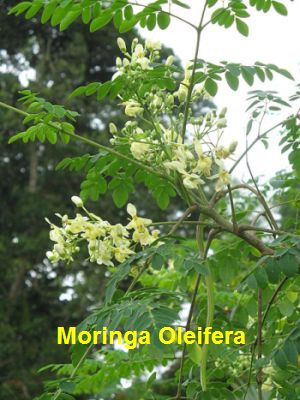
Moringa oleifera Lam ( (also known as Malunggay) is a highly
valued plant, distributed in many countries of the tropics and subtropics.
It has an impressive range of medicinal uses with high nutritional value. Different parts of this plant contain
a profile of important minerals, and are a good source of protein,
vitamins, beta-carotene, amino acids and various phenolics. The
Moringa plant provides a rich and rare combination of zeatin, quercetin,
beta-sitosterol, caffeoylquinic acid and kaempferol. In addition
to its compelling water purifying powers and high nutritional value, Moringa Oleifera is very important for its medicinal value.
Various parts of this plant such as the leaves, roots, seed,
bark, fruit, flowers and immature pods act as cardiac and circulatory
stimulants, possess antitumor, antipyretic, antiepileptic, antiinflammatory,
antiulcer, antispasmodic, diuretic, antihypertensive, cholesterol
lowering, antioxidant, antidiabetic, hepatoprotective, antibacterial
and antifungal activities, and are being employed for the treatment
of different ailments in the indigenous system of medicine, particularly
in South Asia. This review focuses on the detailed phytochemical
composition, medicinal uses, along with pharmacological properties
of different parts of this multipurpose tree. India's ancient tradition
of ayurveda medicine sites 300 diseases that are treated with the
leaves of the Moringa tree.
 Los Angeles Times - "Scientifically speaking, Moringa
sounds like magic. It can rebuild weak bones, enrich anemic blood
and enable a malnourished mother to nurse her starving baby. Doctors
use it to treat diabetes in West Africa and high blood pressure
in India .... And it's not only good for you, it's delicious."
Los Angeles Times - "Scientifically speaking, Moringa
sounds like magic. It can rebuild weak bones, enrich anemic blood
and enable a malnourished mother to nurse her starving baby. Doctors
use it to treat diabetes in West Africa and high blood pressure
in India .... And it's not only good for you, it's delicious."
Dr. Marcu who has made some extensive research on the significant
nutritional potency of Moringa / Malunggay, says that the
“miracle vegetable” is an ideal energy food — the leaves
can actually be eaten raw, but best added in meals as a
special ingredient — or diet supplement that “can help offset
a typically unhealthy Western diet” due to its high concentration
of nutrients.
While traditional Ayurvedic medicine used this tree to
heal or prevent hundreds of diseases, scientific evidence
is accumulating to support many of the healing properties
of Moringa. Some of its chemical compounds have been isolated
and described. Because of its numerous healing and nutritious
properties, around the world Moringa is the subject of legends
and praise, awe and respect so much so that it is also called Miracle Tree.
Medical Evidence for Moringa's Nutritional and Therapeutic Benefits
A medical crisis has been looming upon us. Every year, disease causing microbes and bacteria are getting more and more resistant to common
antibiotics such as penicillin and amoxicillin.
Drug resistant bacteria, and microbes
evolve to build up resistances because of the overuse of antibiotics. Studies have revealed that
they have been systematically been over prescribed over the past decades, giving the most mundane
strains of bacteria plenty of opportunities to build up defenses against them. Already, several antibiotic resistant strains of this
once manageable disease have emerged, with doctors and scientists scrambling to find new kinds of antibiotics. Bacteria and microbes
evolve to build up these resistances because of the overuse of antibiotics.
Studies have revealed that they have been systematically been over prescribed
over the past decades, giving the most mundane strains of bacteria
plenty of opportunities to build up defenses against them.
Moringa’s use as an antibiotic in traditional medicine dates back thousands
of years, while scientific evidence of it has been in existence
since the late 1940’s. These studies were conducted largely in the
orient, which is why Western medicine and the pharmaceutical industry
have largely remained ignorant of it. Indian scientists have identified
Pterygospermin as the active compound in moringa that causes its
antibacterial action. Pterygospermin, once consumed, breaks down
into two separate benzyl isothiocyanate, a substance with known
antimicrobial properties. Studies have shown that moringa leaf juice
can be particularly effective against the Pseudononas aeruginosa
bacterium, which can cause diseases in both animals and humans.
This bacterium usually infects people with damaged exposed tissues
or a weakened immune system, oftentimes manifesting itself through
inflammation. In severe cases, the bacteria can take hold in the
major organs such as the lungs, kidneys, or the urinary tract, with
potentially fatal consequences. Staphylococcus aureus, a bacterium
more commonly known as the cause of staph infections, which usually
manifest as a skin infection. It was found that moringa was just
as effective as the commercial antibiotic Neomycin in getting rid of the infection.

Moringa for sleep and relaxation
 Moringa acts as a great natural sleeping aid because it contains
the unique natural compound known as Nebedaye, which can be found
in the leaves. Nebedaye sets several of the body’s key conditions
for a fitful night’s rest. It lowers our blood sugar levels, soothes
our digestive system, and has a depressive effect on our central
nervous system, acting as a muscle relaxant. When our muscles relax,
it not only dissipates our tension, but also results in less constriction
of our blood vessels. This results in lower blood pressure, which
also helps to make sleep that much more restful. Moringa also helps
you stay asleep for much longer. In one scientific study, it was
shown that subject who consumed moringa could stay asleep for up
to twice as long as subjects that did not consume any moringa. This
makes it useful for those people who wish to stay in a long blissful
slumber. On the other hand, the enhanced relaxation and deeper sleep
will allow people with a limited number of allotted sleeping hours
to awaken more refreshed and energized than they normally would.
Moringa’s ability to relax muscles can come in handy not just for
people looking for a good night’s sleep, but for those who are suffering
from muscle pains and spasms as well. This can be especially beneficial
for athletes, people recovering from injuries, and those who suffer
from certain muscular conditions. These properties also help make
moringa a safe and effective diuretic.
Moringa acts as a great natural sleeping aid because it contains
the unique natural compound known as Nebedaye, which can be found
in the leaves. Nebedaye sets several of the body’s key conditions
for a fitful night’s rest. It lowers our blood sugar levels, soothes
our digestive system, and has a depressive effect on our central
nervous system, acting as a muscle relaxant. When our muscles relax,
it not only dissipates our tension, but also results in less constriction
of our blood vessels. This results in lower blood pressure, which
also helps to make sleep that much more restful. Moringa also helps
you stay asleep for much longer. In one scientific study, it was
shown that subject who consumed moringa could stay asleep for up
to twice as long as subjects that did not consume any moringa. This
makes it useful for those people who wish to stay in a long blissful
slumber. On the other hand, the enhanced relaxation and deeper sleep
will allow people with a limited number of allotted sleeping hours
to awaken more refreshed and energized than they normally would.
Moringa’s ability to relax muscles can come in handy not just for
people looking for a good night’s sleep, but for those who are suffering
from muscle pains and spasms as well. This can be especially beneficial
for athletes, people recovering from injuries, and those who suffer
from certain muscular conditions. These properties also help make
moringa a safe and effective diuretic.
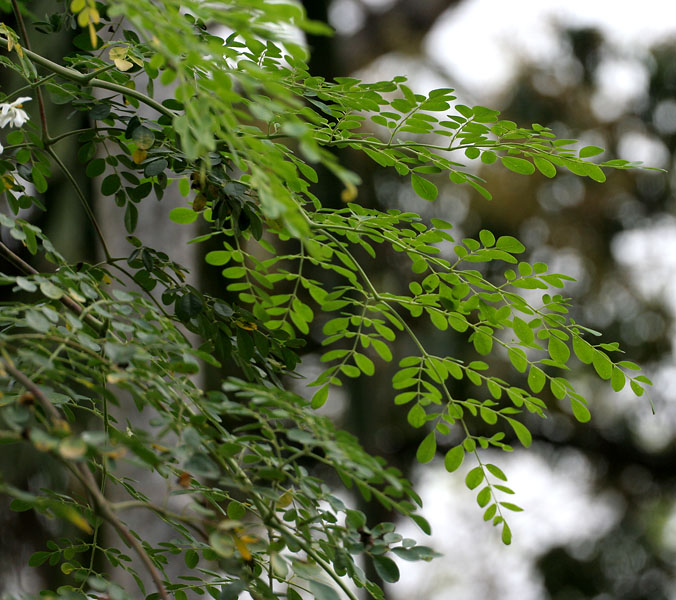
Moringa tree (also known as the horseradish tree, drumstick
tree, benzolive tree, kelor, marango, mlonge, moonga, mulangay,
nébéday, saijhan, sajna or Ben oil tree), was utilized by the
ancient Romans, Greeks and Egyptians; it is now widely cultivated
and has become naturalized in many locations in the tropics. Called
“Malunggay” in the Philippines, “Sajina” in the Indian
Subcontinent, and “Moringa” in English. Moringa is not your
ordinary green leafy vegetables. According to Dr. Lydia M. Marero
of the Food and Nutrition Research Institute of the Philippines, Moringa oleifera Lamk is one of the world's most useful plants.
It is used as food, effective flocculant or water treatment, antibiotic,
source of oil, and coagulant for turbid waters. It is also called
mother's best friend, and miracle vegetable by many who know malunggay's
beneficial uses. It is cultivated in all countries of the tropics.
It is easy to plant and is available year-round.
Natural benefits from Moringa:
- Nourishes body's immune system
- Promotes healthy circulation
- Supports normal blood glucose levels
- Natural anti-aging benefits
- Anti-Inflammatory support
- Promotes healthy digestion
- Heightens mental clarity
- Naturally increases energy
 Moringa trees have been used to combat malnutrition, especially
among infants and nursing mothers. A large number of reports on
the nutritional qualities of Moringa now exist in both the scientific
and the popular literature. Leaves can be eaten fresh, cooked, or
stored as dried powder for many months without refrigeration, and
reportedly without loss of nutritional value.
Moringa trees have been used to combat malnutrition, especially
among infants and nursing mothers. A large number of reports on
the nutritional qualities of Moringa now exist in both the scientific
and the popular literature. Leaves can be eaten fresh, cooked, or
stored as dried powder for many months without refrigeration, and
reportedly without loss of nutritional value.
Health nutritionists claim that an ounce of malunggay has the
same Vitamin C content as seven oranges. An important function of
vitamin C not known to many is its being an antioxidant. In fact,
it has been recognized and accepted by the US Food and Drug Administration
as one of the four dietary antioxidants, the others being vitamin
E, beta-carotene and selenium. (A dietary oxidant is a substance
in food that significantly decreases the adverse effects of harmful
chemicals). Oral histories recorded by Lowell Fuglie in Senegal
and throughout West Africa, who reports countless instances of lifesaving
nutritional rescue that are attributed to Moringa.
There are various parts of the moringa plant which are being used
for health reasons. For one, the leaves of this plant proved to
be a good source of calcium, iron, ascorbic acid and phosphorus.
Its other parts such as the seeds, the young pods, and the flowers
have been established to benefit individuals as far as anti-oxidant,
anti-diabetic, circulatory stimulations, and such other activities
that are most beneficial to mankind, are concerned. There have been
claims that moringa can be used to lower blood pressure, aid in
pains caused by rheumatism, headaches and migraines, as well as
its being an anti-tumor plant. Malunggay is also used for purgative
and anti-fungal purposes, as well. All these prove the claim that
this plant is indeed multi-purpose.
Findings of a study made in India, which were used as the basis
of many news reports on malunggay as a wonder plant, states that
moringa contains anti-cancer compounds (phytochemicals) that help
stop the growth of cancer cells. Moringa is said to be effective
in treating ovarian cancer, among a host of other diseases like
arthritis, anemia, heart complications, kidney problems, scurvy,
asthma, and digestive disorders (ulcer, gastritis, diarrhea, colitis,
dysentery).
Moringa has been observed by scientists to contain unique compounds
and enact mechanisms that help purge the liver of these toxins and
even reverse the damage that they cause. Silymarin is a flavonoid
or specialized molecule found in moringa that has been shown to
help reduce the effects of hepatoxins on the liver, improving its
resiliency. It also protects the liver from the toxic effects of
rare earth metal salts such as praseodymium, cerium, and indium,
which are known to cause the degeneration of the liver. Scientists
theorize that moringa somehow causes the body to get rid of these
poisonous compounds in a more rapid manner. This same mechanism
also helps make moringa effective against several known poisonous
compounds such as a-amanitin and phalloidin. Moringa prevents such
toxic cell damage from occurring in two ways. First, it somehow
alters the composition of our cell membranes, which only allow a
small amount of toxin to seep into our cells. Secondly, the same
cell regeneration mechanisms that moringa employs to reduce aging
also ensures that there is a large number of healthy cells to replace
those that do succumb to the toxins.
Moringa has also been observed to be an effective treatment against
a wide array of liver diseases, such as both chronic and acute
hepatitis, cirrhosis of the liver, fatty degeneration of
the liver, and the metabolic liver disease brought about by
alcohol and drug use. This is because moringa not only stops the
toxicity that causes these diseases, but also helps reverse it.
On its own, the liver is a very resilient organ, able to regenerate
its cells and grow back even after over half of it is destroyed
or removed. Moringa accelerates this regeneration process by about
four times the normal speed, eventually helping the liver regain full functionality.
All parts of the malunggay tree are usable for nutritional and medicinal purposes
Mark Fritz of the Los Angeles Times.
 "Scientifically speaking, Moringa sounds like magic. It can rebuild weak bones, enrich
anemic blood and enable a malnourished mother to nurse her starving
baby. Ounce for ounce, it has the calcium of four glasses of milk, the
vitamin C of seven oranges and the potassium of three bananas."
"Scientifically speaking, Moringa sounds like magic. It can rebuild weak bones, enrich
anemic blood and enable a malnourished mother to nurse her starving
baby. Ounce for ounce, it has the calcium of four glasses of milk, the
vitamin C of seven oranges and the potassium of three bananas."
"A dash of Moringa can make dirty water drinkable. Doctors use it
to treat diabetes in West Africa and high blood pressure in India. Not
only can it staunch a skin infection, but Moringa also makes an excellent
fuel and fertilizer."
The malunggay plant is also a proven water purifier with its remarkable
antiparasitic, antibacterial, and antiviral properties. Its seeds can
be used to clean dirty or polluted water.
So, basically, having malunggay trees planted in your garden is like
having your ready pharmacy that offers free medicines in your own backyard.
Hawaii-based farmer Vicky Domingo, who has been planting malunggay
trees for more than 25 years now, reportedly harvests malunggay twice
a week all year round. She says that all parts of the malunggay tree
are usable for nutritional and medicinal purposes — from the roots,
trunk, and branches to the leaves, flowers, and seeds. The roots, for
instance, can be used to make tea, while the trunk, after it’s scraped
and squeezed for its juice, can be used to clean wounds.
Fritz also reports on the positive results of using Moringa as a substitute
for expensive whole milk powder in nutrition projects. The Moringa packed
with amino acids which are highly absorbable and absolutely crucial
to good health. The human body is capable of manufacturing only 12 of
the 20 different amino acids needed to build proteins used to grow,
repair, and maintain cells. The other eight essential amino acids must
come from a person's diet.
Experts agree that the long-term solution to malnutrition is the use
of foods rich in the essential nutrients often lacking in people's diets.
Modern scientific research is proving that Moringa leaves are one of
the richest sources of such nutrients.
Naturally occurring amino acids found in Moringa
Ann Hirsch, PhD - "One of the things that impresses me most
about Moringa is the fact that it has the full complement of the essential
amino acids that humans beings need-there are eight of them that we
cannot synthesize, so we have to get them from our food." -- Ann Hirsch,
PhD, Professor of Botany at University of California Los Angeles
Complete range of naturally occurring amino acids found in Moringa
and a brief explanation of why our bodies require them:
- Isoleucine builds proteins and enzymes and it provides ingredients
used to create other essential biochemical components in your body,
some of which promote energy and stimulate the brain to keep you alert.
 Leucine works with isoleucine to build proteins and enzymes which enhance your
body's energy and alertness.
Leucine works with isoleucine to build proteins and enzymes which enhance your
body's energy and alertness.- Lysine insures your body absorbs the right amount of calcium. It
also helps form collagen used in your bone cartilage and connective
tissues. And lysine aids in the production of antibodies, hormones,
and enzymes. Recent studies have shown lysine improves the balance of
nutrients that reduce viral growth.
- Methionine primarily supplies sulfur to your body. It is known to
prevent hair, skin, and nail problems while lowering cholesterol levels
as it increases your liver's production of lecithin. Methionine reduces
liver fat and protects the kidneys, which reduces bladder irritation.
- Phenylalaine produces the chemical needed to transmit signals between
your nerve cells and your brain. It can help keep you alert, reduce
your hunger pains, plus improve your memory and your mood.
- Threonine is an important part of collagen, elastin,and enamel proteins.
Not only does it assist metabolism, threonine helps prevent fat build-up
in the liver while boosting your body's digestive and intestinal tracts.
- Tryptohyan supports your immune system, alleviates insomnia, reduces
anxiety, depression, and the symptoms of migraine headaches. It also
is beneficial in decreasing the risk of artery and heart spasms as it
works with lysine to reduce cholesterol levels.
- Valine is important in promoting a sharp mind, coordinated muscles,
and a calm mood. These non-essential amino acids, which can be manufactured
by your body with the help of proper nutrition, are also found abundantly in Moringa.
- Alanine is important when it comes to building energy in your muscle
tissue, brain, and central nervous system. It strengthens your immune
system by producing antibodies. Alanine also helps in the healthy metabolism
of sugars and organic acids in your body.
- Arginine has been shown in studies to cause the release of the growth
hormones considered crucial for optimal muscle growth and tissue repair.
It also improves immune responses to bacteria, viruses, and tumor cells
while promoting the healing of your body's wounds.
- Aspartic Acid helps rid your body of ammonia created by cellular
waste. When the ammonia enters your circulatory system it can act as
a highly toxic substance which can damage your central nervous system.
Recent studies have also shown that aspartic acid may decrease fatigue
and increase endurance.
- Cystine functions as an antioxidant and is a powerful aid to the
body in protecting against radiation and pollution. It can help slow
the aging process, deactivate free radicals, and neutralize toxins.
It also aids in protein synthesis and presents cellular change. It is
necessary for the formation of new skin cells, which aids in the recovery
from burns and surgical operations.
- Glutamic Acid is food for the brain. It improves mental capacities, helps speed
the healing of ulcers, reduces fatigue, and curbs your sugar cravings.
- Glycine promotes the release of oxygen required in the cell-making
process. It is also important in the manufacturing of hormones responsible
for a strong immune system.
- Histidine is used in the treatment of rheumatoid arthritis, allergies,
ulcers, and anemia. A lack of histidine may lead to poor hearing.
- Serine is important in storing glucose in the liver and muscles.
Its antibodies help strengthen your body's immune system. Plus, it synthesizes
fatty acid sheaths around nerve fibers.
- Proline is extremely important for the proper function of your joints
and tendons. It also helps maintain and strengthen heart muscles.
- Tryrosine transmits nerve impulses to your brain. It helps overcome
depression; improves memory; increases mental alertness; plus promotes
the healthy functioning of the thyroid, adrenal, and pituitary glands.
RESEARCH: Moringa oleifera Lam. (Moringaceae)
J Med Food. 2003 Fall;6(3):255-9.
Antioxidant action of Moringa oleifera Lam. (drumstick) against
anti tubercular drug induced lipid peroxidation in rats.
Ashok Kumar N, Pari L.
Department of Biochemistry, Faculty of Science, Annamalai University,
Annamalai Nagar-608 002, Tamil Nadu, India.
The protective effect of Moringa oleifera Lam. (Moringaceae) on hepatic
marker enzymes, lipid peroxidation, and antioxidants was investigated
during antitubercular drug (isoniazid, rifampicin, and pyrazinamide)-induced
toxicity in rats. Enhanced hepatic marker enzymes and lipid peroxidation
of antitubercular drug treatment was accompanied by a significant decrease
in the levels of vitamin C, reduced glutathione, superoxide dismutase,
catalase, glutathione peroxidase, and glutathione S-transferase. Administration
of Moringa oleifera extract and silymarin significantly decreased hepatic
marker enzymes and lipid peroxidation with a simultaneous increase in
the level of antioxidants. We speculate that Moringa oleifera extract
exerts its protective effects by decreasing liver lipid peroxides and
enhancing antioxidants.
Bioresource Technology. 2007 Jan;98(1):232-6. Epub 2006 Jan 6
Anti-fungal activity of crude extracts and essential oil of Moringa
oleifera Lam.
Chuang PH, Lee CW, Chou JY, Murugan M, Shieh BJ, Chen HM.
Institute of Bioagricultural Sciences, Academia Sinica, Taipei 115,
Taiwan, ROC.
Investigations were carried out to evaluate the therapeutic properties of the seeds and leaves of
Moringa oleifera Lam as herbal medicines. Ethanol extracts showed
anti-fungal activities in vitro against dermatophytes such as Trichophyton
rubrum, Trichophyton mentagrophytes, Epidermophyton floccosum, and Microsporum
canis. GC-MS analysis of the chemical composition of the essential oil
from leaves showed a total of 44 compounds. Isolated extracts could
be of use for the future development of anti-skin disease agents.
J Med Food. 2002 Fall;5(3):171-7.
Hepatoprotective activity of Moringa oleifera on antitubercular
drug-induced liver damage in rats.
Pari L, Kumar NA.
Department of Biochemistry, Faculty of Science, AnnamalaiUniversity,
Annamalai Nagar, Tamil Nadu - 608 002, India. paribala@sancharnet.in
Moringa oleifera Lam (Moringaceae), commonly known as "Drumstick,"
is used in Indian folk medicine for the treatment of various illness.
We have evaluated the hepatoprotective effect of an ethanolic extract
of M. oleifera leaves on liver damage induced by antitubercular drugs
such as isoniazid (INH), rifampicin (RMP), and pyrazinamide (PZA) in
rats. Oral administration of the extract showed a significant protective
action made evident by its effect on the levels of glutamic oxaloacetic
transaminase (aspartate aminotransferase), glutamic pyruvic transaminase
(alanine aminotransferase), alkaline phosphatase, and bilirubin in the
serum; lipids, and lipid peroxidation levels in liver. This observation
was supplemented by histopathological examination of liver sections.
The results of this study showed that treatment with M. oleifera extracts
or silymarin (as a reference) appears to enhance the recovery from hepatic
damage induced by antitubercular drugs.
J Ethnopharmacol. 2003 Jun;86(2-3):191-5.
Effect of fruits of Moringa oleifera on the lipid profile of normal
and hypercholesterolaemic rabbits.
Mehta K, Balaraman R, Amin AH, Bafna PA, Gulati OD.
Department of Pharmacy, Faculty of Technology and Engineering, The M.S.
University of Baroda, Kalabhavan, Gujarat, India.
Rabbits were fed Moringa oleifera (200mg/kg/day, p.o.) or lovastatin
(6mg/kg/day, p.o.) in banana pulp along with standard laboratory diet
and hypercholesterolaemic diet for 120 days. Moringa oleifera and lovastatin
were found to lower the serum cholesterol, phospholipid, triglyceride,
VLDL, LDL, cholesterol to phospholipid ratio and atherogenic index,
but were found to increase the HDL ratio (HDL/HDL-total cholesterol)
as compared to the corresponding control groups. Treatment with M. oleifera
or lovastatin in normal rabbits decreased the HDL levels. However, HDL
levels were significantly increased or decreased in M. oleifera- or
lovastatin-treated hypercholesterolaemic rabbits, respectively. Lovastatin-
or M. oleifera-treated hypercholesterolaemic rabbits showed decrease
in lipid profile of liver, heart and aorta while similar treatment of
normal animals did not produce significant reduction in heart. Moringa
oleifera was found to increase the excretion of faecal cholesterol.
Thus, the study demonstrates that M. oleifera possesses a hypolipidaemic
effect.
Hypocholesterolemic effects of crude extract of
leaf of Moringa oleifera Lam in high-fat diet fed wistar rats
.
Ghasi S, Nwobodo E, Ofili JO.
Department of Pharmacology and Therapeutics, College of Medicine, University
of Nigeria, Enugu.
The leaves of Moringa oleifera Lam (Moringaceae) are used by the Indians in their
herbal medicine as a hypocholesterolemic agent in obese patients. The
scientific basis for their use in hypercholesterolemia was therefore
examined. It was found that administration of the crude leaf extract
of Moringa oleifera along with high-fat diet decreased the high-fat
diet-induced increases in serum, liver, and kidney cholesterol levels
by 14.35% (115-103.2 mg/100 ml of serum), 6.40% (9.4-8.8 mg/g wet weight)
and 11.09% (1.09-0.97 mg/g wet weight) respectively. The effect on the
serum cholesterol was statistically significant. No significant effect
on serum total protein was observed. However, the crude extract increased
serum albumin by 15.22% (46-53 g/l). This value was also found to be
statistically significant. It was concluded that the leaves of Moringa
oleifera have definite hypocholesterolemic activity and that there is
valid pharmacological basis for employing them for this purpose in India.
Moringa Studies
Moringa preparations have been cited often in scientific literature
as antibiotic, antiinflammatory, hypocholesterolemic and hypoglycemic.
However, many of the reports are not placebo-controlled randomized
clinical trials.
Anti-inflammatory / Anti-tumor: Anti-inflammtory and Antitumor Activities
of Seeds Extracts of Malunggay—A study showed the crude ethanol
extract of dried seeds inhibited the carrageenan-induced inflammation
in the hind paw of mice by 85% at a dosage of 3 mg/g body weight;
the mature green seeds by 77%. The crude ethanol extract also inhibited
the formation of Epstein-Barr virus-early antigen (EBV-EA) induced
by 12-0-tetradecanoylphorbol-13-acetate (TPA). At a dosage of 100
?g/ml, the extract inhibited EBV-EA formation by 100% suggesting
its antitumor-promoting activity.
Cancer: Possible Role of Moringa oleifera Lam. Root in Epithelial
Ovarian Cancer: Study suggests a role for M Oleifera, shown to interfere
with cytokine pathways.
Asthma: Antiasthmatic activity of Moringa oleifera Lam: A clinical
study: Study showed improvement in forced vital capacity, FEV1,
and peak expiratory flow rate. It suggests a usefulness for MO seed
kernel in patients with asthma.
Antibiotic: 50 years ago, a study yielded Pterygospermin, a compound
that readily dissociates into two molecules of benzyl isothiocyanate
which has been shown to have antimicrobial properties. Unfortunately,
many of the reports of antibiotic efficacy in humans were not from
placebo controlled, randomized clinical trials. Recent studies have
demonstrated possible efficacy against H. pylori.
Hormonal properties / Abortifacient: Biochemical observations and
histologic findings have been correlated with the anti-implantation
action of aequous extracts, one possible explanation for its use
as an abortifacient. source.
Antiurolithiatic: Study showed lowering of stone forming constituents
in the kidneys of calculogenic rats with the use of aqueous and
alcoholic extracts of MO suggesting antiurolithiatic activity.
Antimicrobial / Water Purifying: Study of MO seeds paste for water
purification yielded a steroidal glycoside, strophantidin, a bioactive
agent in the seed. The seed paste was found effective in clarification
and sedimentation of inorganic and organic matter in raw water,
reducing total microbial and coliform counts by 55% and 65% respectively,
in 24 hours, compared to alum with 65% and 83% reduction.
Antipyretic / Wound Healing: Study of the ethanolic and ethyl acetate
extracts of MO showed significant antipyretic activity in rats;
the ethyl acetate extract of dried leaves showed significant wound
healing on rat wound models.
Analgeic: Previous studies have shown analgesic activity from the
leaves of MO. This study on the alcoholic extract of MO seeds showed
potent analgesic activity comparable to that of aspirin dose of
25 mg/kg BW.
Hepatoprotective / Antioxidant: Study concluded that the alcoholic
extracts of MO produced significant hepatoprotective and antioxidant
activity, the aqueous extracts of the fruit less than the alcoholic extract.